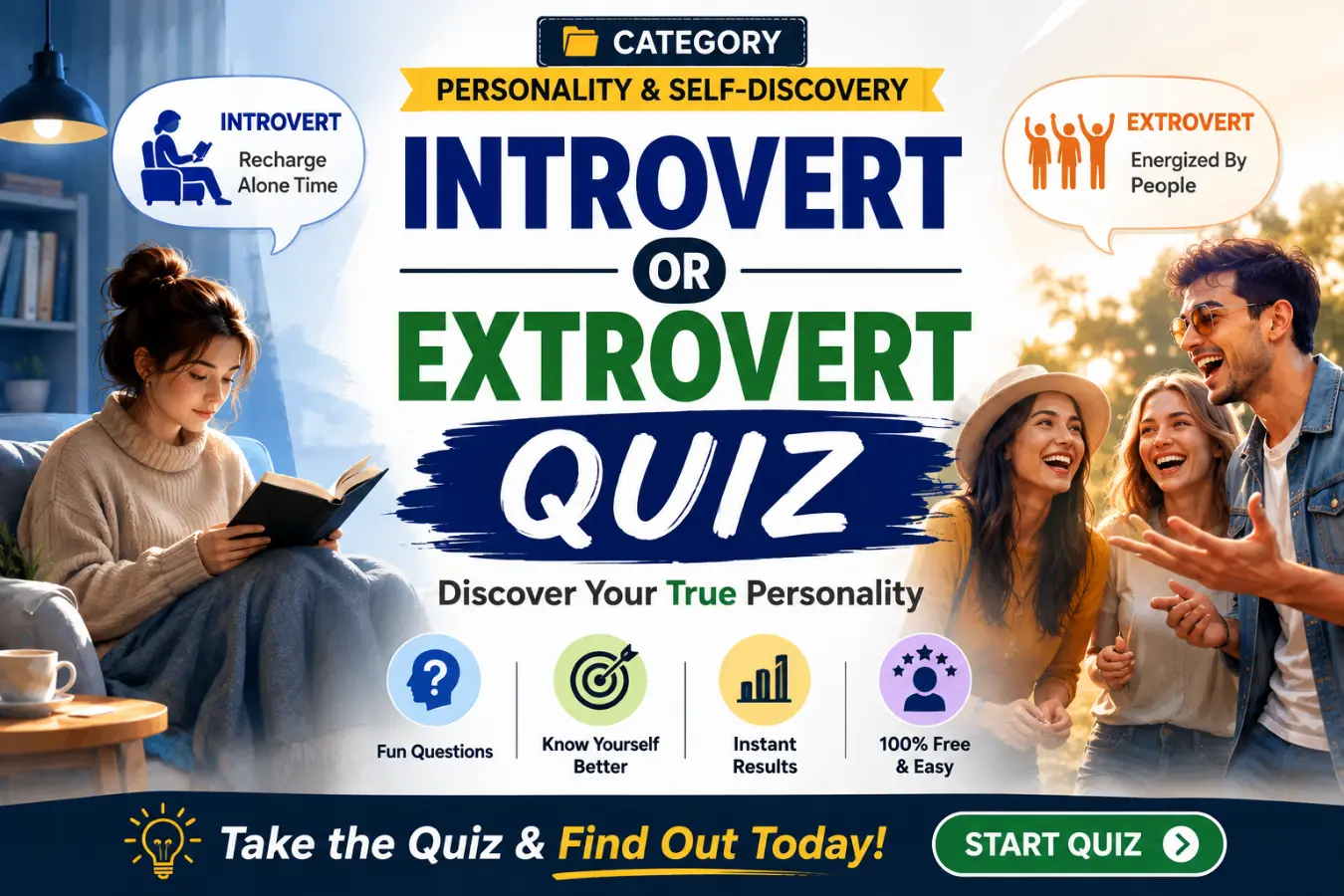
Introvert or extrovert quiz is a simple way to understand your personality. It helps you learn how you gain energy and interact with others. Many people think they are either fully introverted or fully extroverted. However, most people fall somewhere in between.
This guide explains how an introvert or extrovert quiz works. You will also learn what your results really mean. We will cover common myths, real-life examples, and practical tips. By the end, you will better understand yourself and your social style.
Whether you enjoy quiet evenings or busy parties, your personality is unique. This article will help you discover where you fit and how to use your strengths every day.
Quick Summary Box
- Introvert or extrovert quiz measures your social energy preferences.
- Introverts recharge by spending time alone.
- Extroverts gain energy from social interaction.
- Many people are ambiverts, showing both traits.
- Personality quizzes offer guidance, not medical diagnosis.
- Your results can improve relationships, work, and personal growth.
What Is an Introvert or Extrovert Quiz?
An introvert or extrovert quiz is a personality assessment. It asks questions about your habits, feelings, and social preferences.
The goal is simple. It helps identify where you fall on the introversion-extroversion spectrum.
Questions may include:
- Do you enjoy large parties?
- Do you need quiet time after social events?
- Do you prefer deep conversations over small talk?
- Do you feel energized after meeting people?
There are no right or wrong answers. Honest responses produce the most useful results.
What Does Introvert and Extrovert Mean?
Understanding these terms helps you interpret quiz results correctly.
Introvert
An introvert gains energy from quiet environments and personal reflection.
Common traits include:
- Enjoys solitude
- Prefers meaningful conversations
- Thinks before speaking
- Likes calm environments
- Needs time alone after social events
Extrovert
An extrovert gains energy through social interaction.
Common traits include:
- Enjoys meeting new people
- Speaks comfortably in groups
- Likes teamwork
- Thinks aloud
- Feels energized around others
Ambivert
Many people are ambiverts.
They enjoy social events but also value quiet time. Their personality changes depending on the situation.
How Does an Introvert or Extrovert Quiz Work?
Most quizzes use multiple-choice questions.
Each answer earns points toward introversion or extroversion.
The final score shows your strongest personality tendency.
Many quizzes measure:
- Social preferences
- Communication style
- Energy source
- Decision-making habits
- Comfort with groups
- Emotional responses
Modern quizzes often use personality psychology principles inspired by well-known personality frameworks.
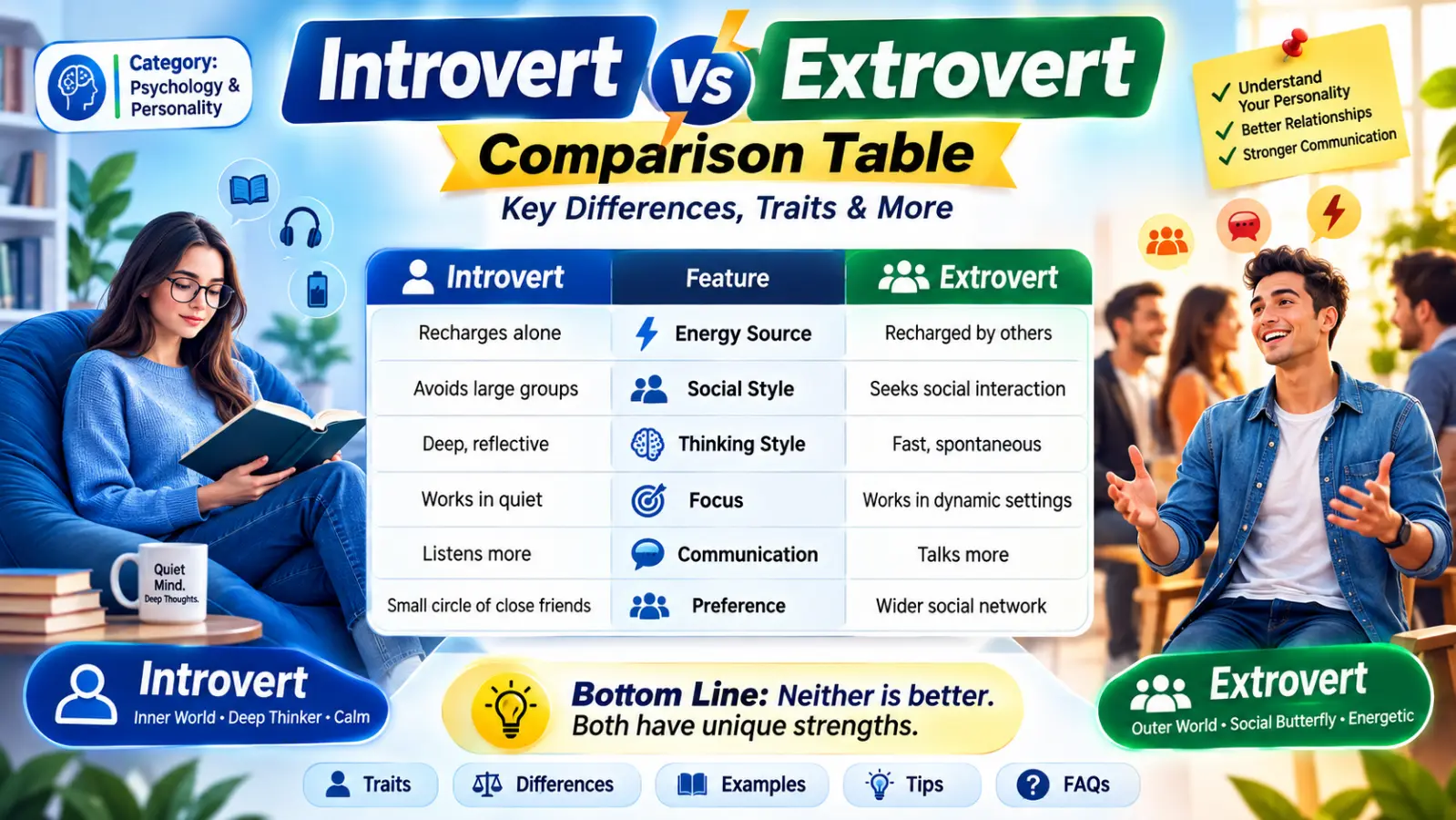
Introvert vs Extrovert Comparison Table
| Feature | Introvert | Extrovert |
| Energy Source | Alone time | Social interaction |
| Communication | Thoughtful and calm | Open and expressive |
| Friendships | Few close friends | Many social connections |
| Work Style | Independent | Collaborative |
| Social Events | Small groups | Large gatherings |
| Decision Making | Reflective | Quick discussion |
| Relaxation | Reading, hobbies | Meeting friends |
| Leadership | Quiet leadership | Outgoing leadership |
Signs You May Be an Introvert
You might relate to these signs:
- You enjoy peaceful environments.
- Crowds drain your energy.
- You think before speaking.
- You prefer one-on-one conversations.
- You enjoy reading or creative hobbies.
- You avoid unnecessary attention.
- You value personal space.
Remember, enjoying people does not mean you cannot be an introvert.
Signs You May Be an Extrovert
You may be an extrovert if:
- You enjoy meeting new people.
- You feel excited after parties.
- You enjoy group activities.
- You speak comfortably in public.
- You enjoy brainstorming aloud.
- You build friendships easily.
- You prefer active social weekends.
Again, no one matches every trait perfectly.
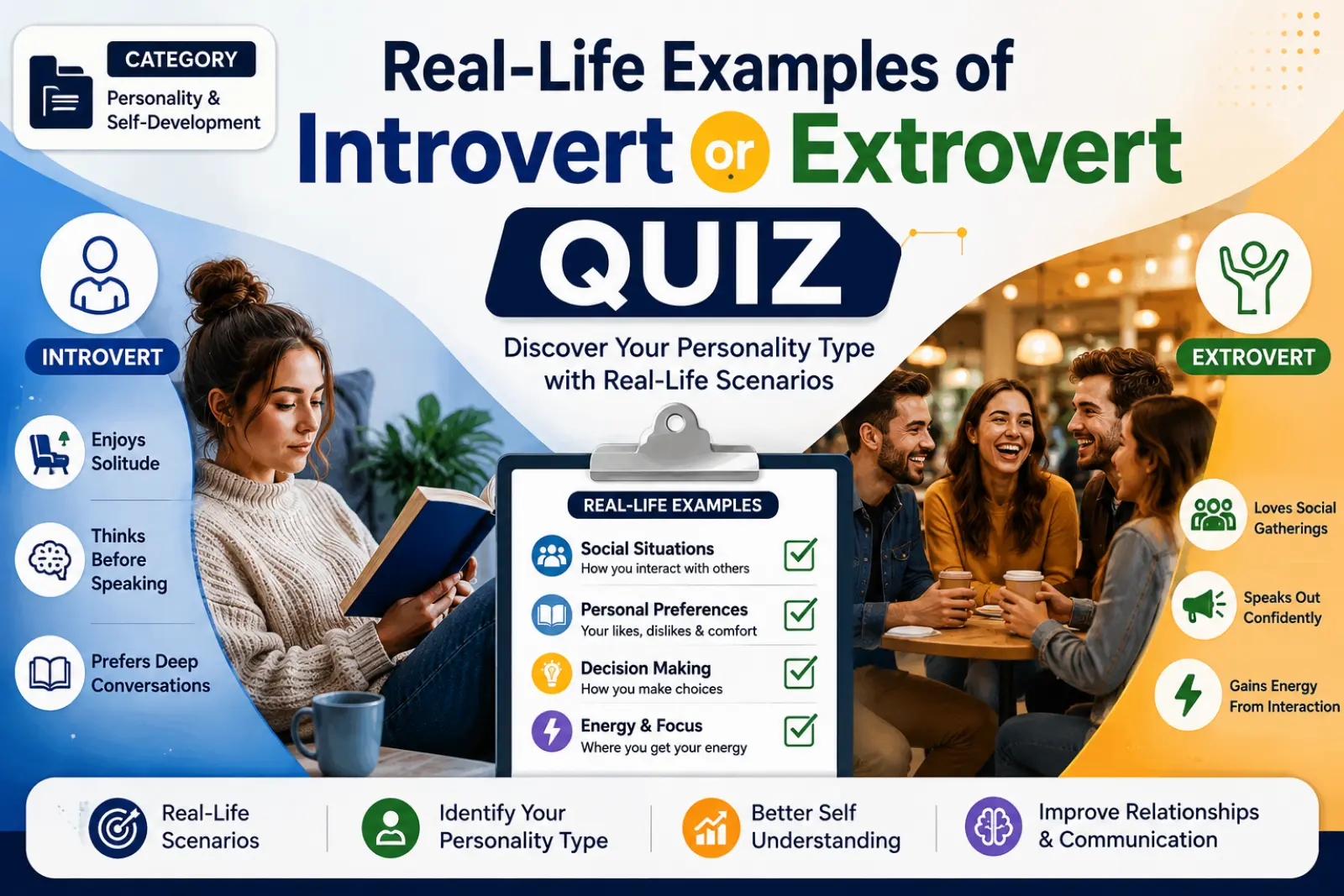
Real-Life Examples
Example 1
Sarah enjoys working from home.
She spends weekends reading books and gardening.
After family gatherings, she needs quiet time.
Her quiz result shows she is mostly introverted.
Example 2
Ali enjoys networking events.
He loves meeting new people every week.
He feels happier after spending time with friends.
His quiz result shows strong extroverted traits.
Example 3
Emma enjoys social events occasionally.
However, she also needs quiet weekends.
Her quiz identifies her as an ambivert.
Why Should You Take an Introvert or Extrovert Quiz?
A personality quiz helps you understand yourself better.
Benefits include:
- Better communication
- Improved relationships
- Smarter career choices
- Better stress management
- Increased confidence
- Improved teamwork
- Stronger self-awareness
Understanding yourself helps you make better daily decisions.
Common Mistakes People Make
Many people misunderstand personality types.
Here are common mistakes.
Mistake 1: Introverts Hate People
False.
Most introverts enjoy friendships. They simply recharge differently.
Mistake 2: Extroverts Never Need Alone Time
False.
Everyone needs personal space sometimes.
Mistake 3: Personality Never Changes
False.
Life experiences influence behavior.
However, your natural preference usually stays similar.
Mistake 4: Quiz Results Define Everything
No quiz explains your entire personality.
Use results as guidance rather than strict labels.
Tips to Get Accurate Quiz Results
Follow these simple tips.
- Answer honestly.
- Do not choose ideal answers.
- Think about your everyday habits.
- Consider how you feel after social events.
- Take the quiz when relaxed.
- Avoid rushing through questions.
- Try trusted personality assessments.
Honesty creates more accurate results.
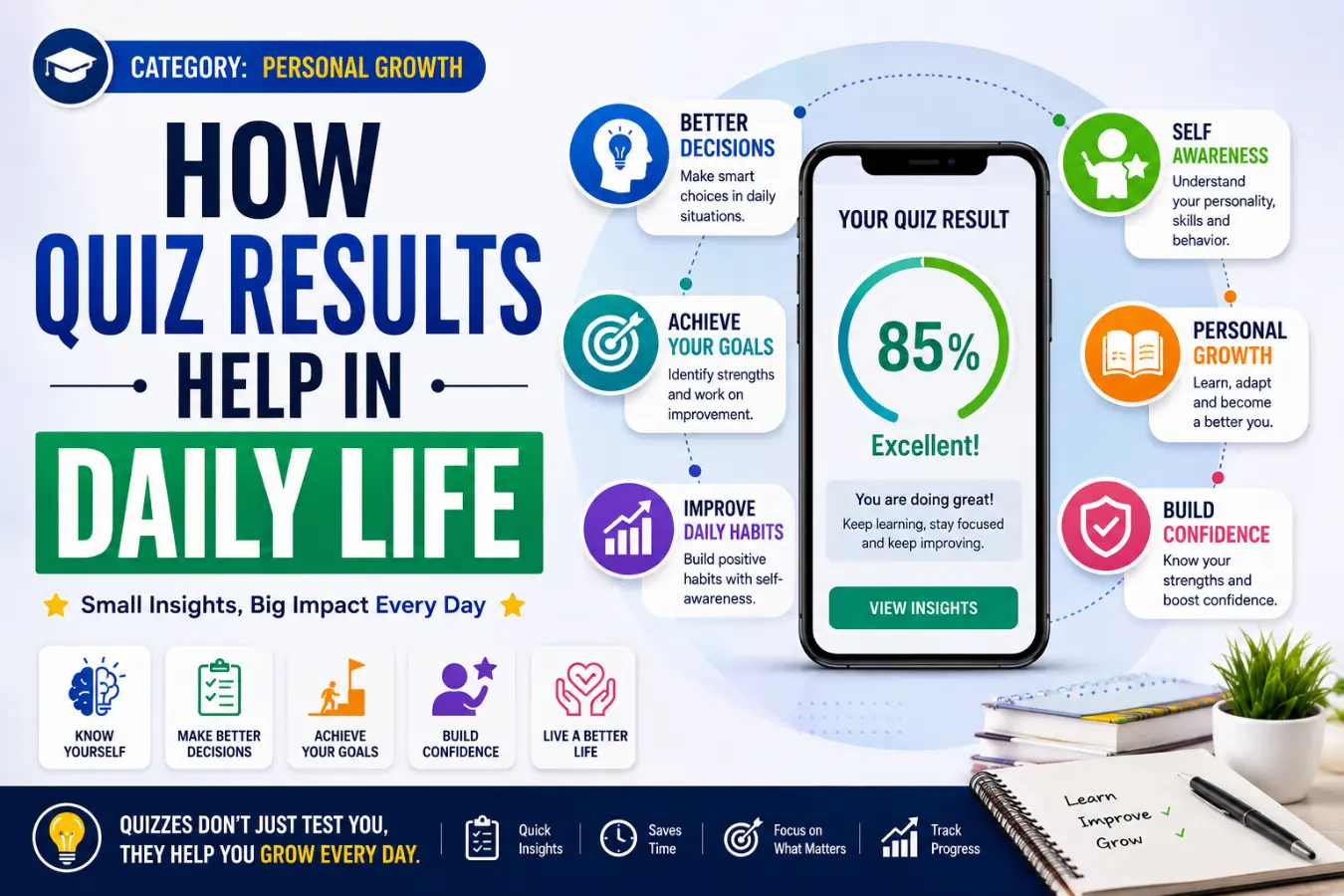
How Quiz Results Help in Daily Life
Knowing your personality improves everyday situations.
At School
Students understand their learning style better.
At Work
Employees choose work environments that fit them.
In Relationships
Partners understand communication differences.
During Stress
People learn healthier ways to recharge.
Career Planning
Different careers suit different personality styles.
For example:
Great careers for introverts
- Writer
- Graphic designer
- Programmer
- Research analyst
- Accountant
Great careers for extroverts
- Sales representative
- Teacher
- Event planner
- Public speaker
- Marketing manager
Expert Insights
Personality experts agree that introversion and extroversion exist on a spectrum.
Very few people are completely one or the other.
Use quiz results to understand your strengths.
Do not use them to limit yourself.
Good personality assessments encourage self-awareness instead of labels.
The best quizzes also explain why each result matters.
Remember that personality grows through experience, even if your natural preferences remain similar.
Frequently Asked Questions (FAQs)
Is an introvert or extrovert quiz accurate?
Most quality quizzes provide useful guidance. However, no quiz is perfect.
Can someone be both introverted and extroverted?
Yes. Many people are ambiverts and show both personality traits.
Are introverts shy?
Not always.
Many introverts enjoy social situations but prefer smaller groups.
Can personality change over time?
Yes.
Life experiences influence behavior. However, core preferences often remain stable.
What is an ambivert?
An ambivert has both introverted and extroverted characteristics.
Which personality type is better?
Neither.
Each personality type has unique strengths and challenges.
How long does an introvert or extrovert quiz take?
Most online quizzes take between 5 and 15 minutes.
Can employers use personality quizzes?
Some workplaces use personality assessments for development. They should never be the only factor in hiring decisions.
Conclusion
An introvert or extrovert quiz offers a simple way to understand your personality. It reveals how you recharge, communicate, and interact with the world. While no quiz can define every part of who you are, it can provide valuable insights for personal growth. Many people discover they are neither fully introverted nor fully extroverted but somewhere in between. The key is to answer honestly and view your results as a starting point for self-discovery. Use what you learn to improve your relationships, choose environments that suit you, and build on your natural strengths. The better you understand yourself, the easier it becomes to make confident decisions in everyday life.
Discover More Post:
Concealer or Foundation First? Makeup Order for a Flawless Finish
Bingeing or Binging: Which Spelling Is Correct? Grammar Guide