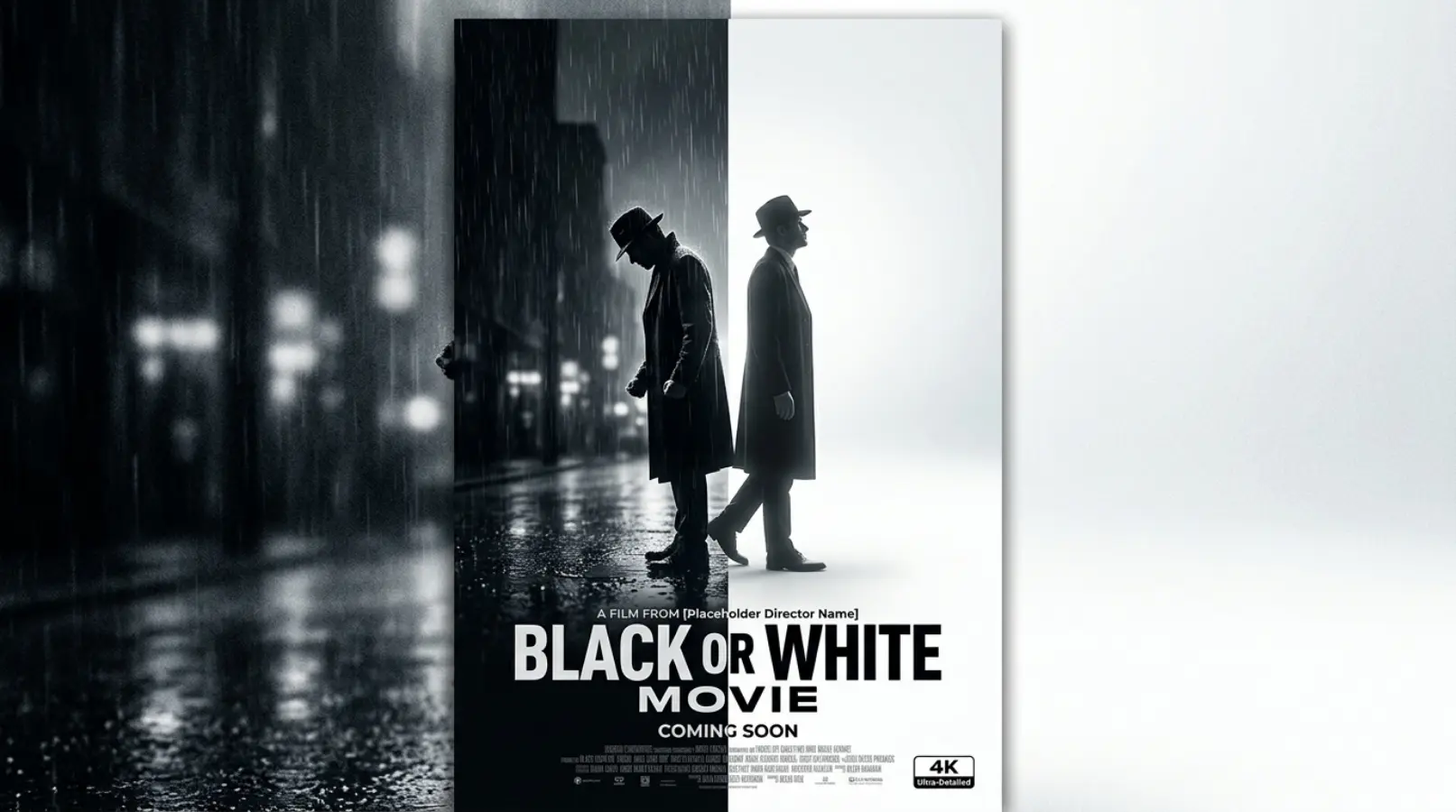
A black or white movie is a film that shows images in shades of black, white, and gray. Before color films became common, almost every movie used this style. Today, many people still enjoy black-and-white movies because they have a unique look and feel.
These films helped shape modern cinema. They introduced famous actors, classic stories, and creative filmmaking techniques. Even now, some directors choose black and white to create a special mood.
In this guide, you will learn what a black or white movie is, how it differs from color films, and why it remains important. You will also discover examples, common mistakes, expert insights, and practical tips for enjoying these timeless films.
Quick Summary Box
- A black or white movie uses only black, white, and gray tones.
- Most films before the 1960s were black and white.
- These movies focus more on lighting, shadows, and storytelling.
- Many classic films are black and white.
- Some modern directors still choose black and white for artistic reasons.
- Black-and-white films often create a timeless and dramatic atmosphere.
- They remain important in film history and education.
What Is a Black or White Movie?
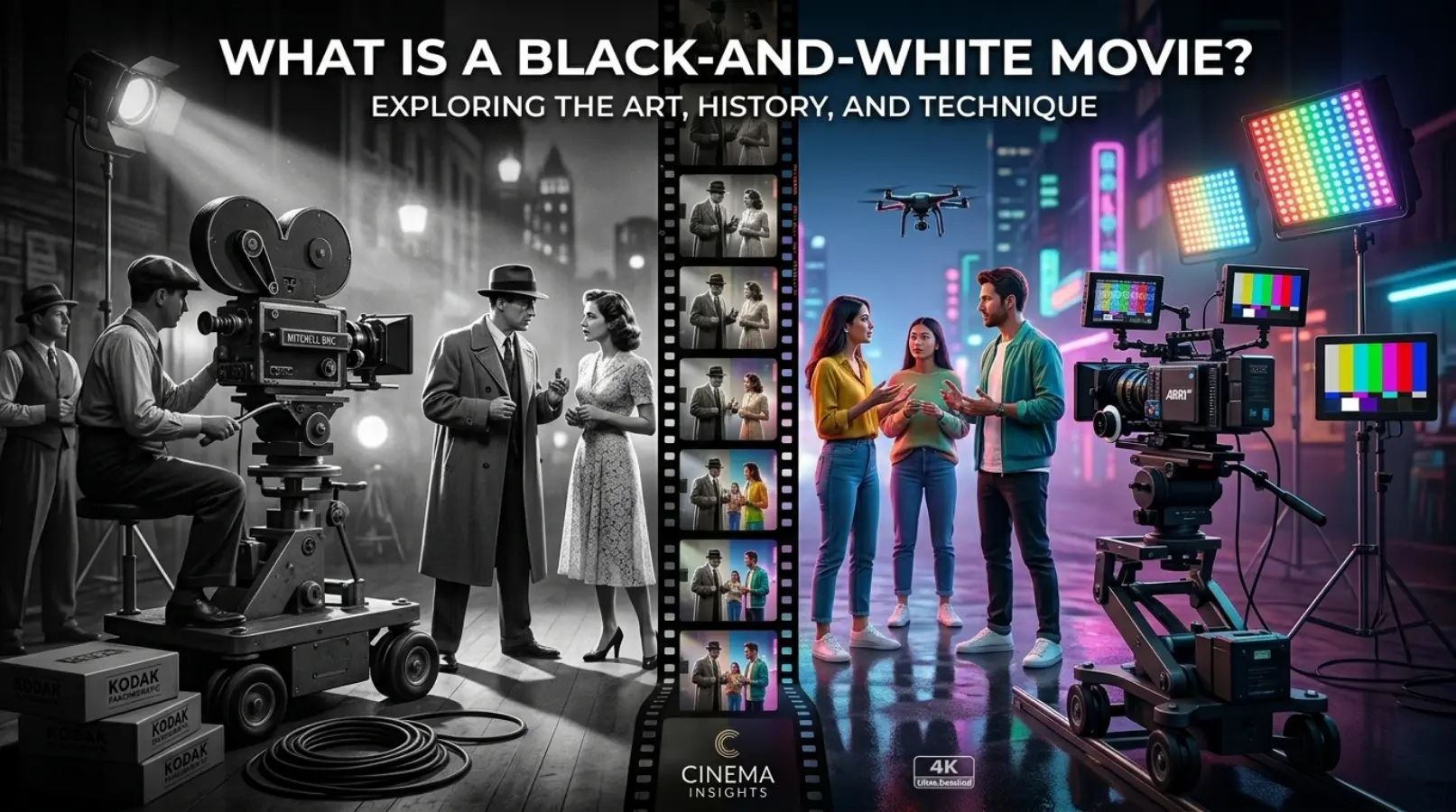
A black or white movie is a motion picture without color. Instead, it uses different shades of gray between black and white.
Film studios used this format for decades because color technology was expensive and limited.
Today, black-and-white movies are often considered classic works of art. Many filmmakers also use the style to create emotion and visual impact.
Simple Definition
Black or white movie: A film that displays images using black, white, and gray instead of color.
Why Are Some Movies Black and White?
There are two main reasons.
1. Historical Reasons
Older movies were made before color technology became affordable.
Examples include:
- Casablanca
- Psycho
- Citizen Kane
- It’s a Wonderful Life
2. Artistic Reasons
Modern directors sometimes choose black and white to:
- Create nostalgia
- Increase dramatic effect
- Highlight emotions
- Focus attention on characters
- Reduce visual distractions
The History of Black-and-White Movies
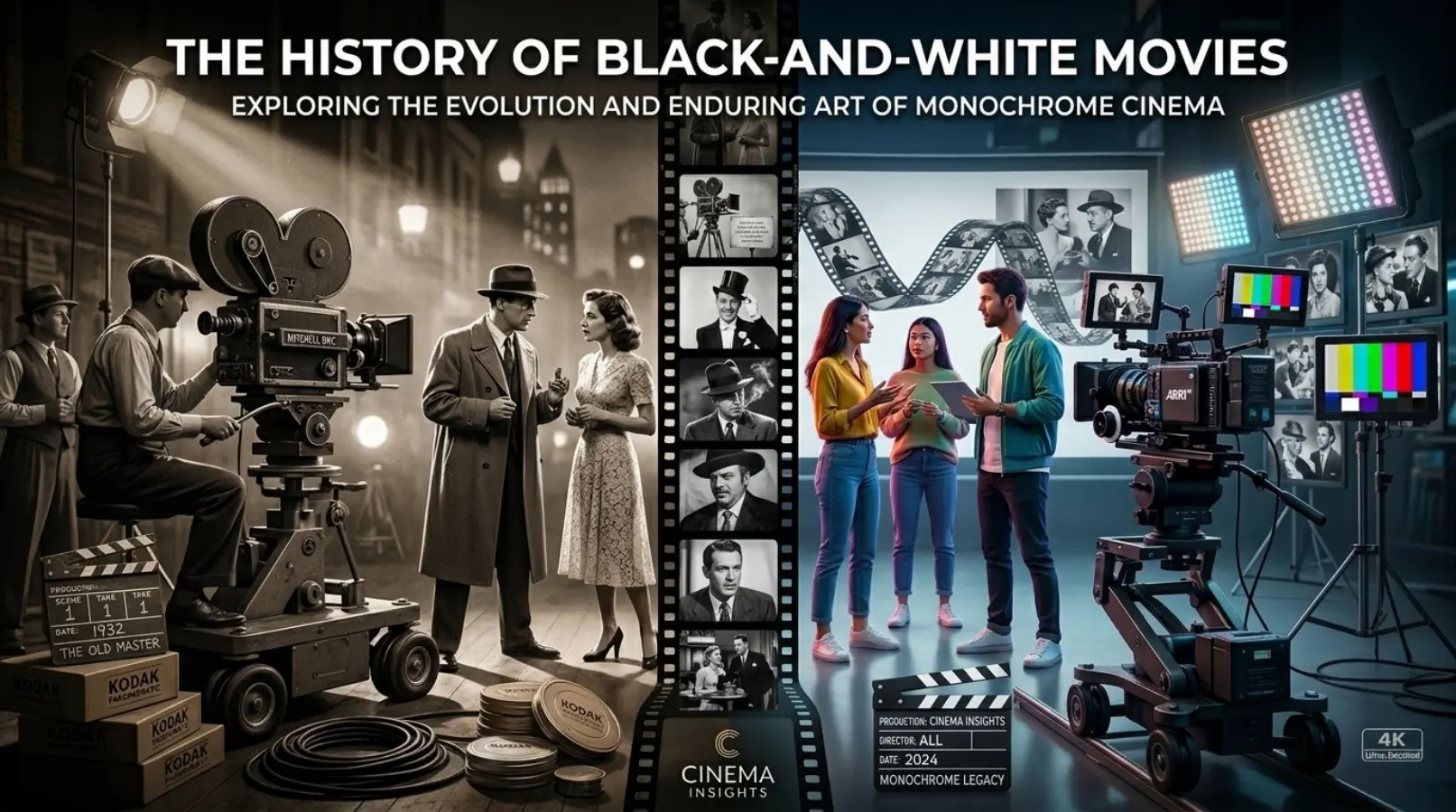
The first movies ever created were black and white.
Early Cinema Era
During the late 1800s and early 1900s:
- Cameras could not capture color effectively.
- Film technology was limited.
- Black and white became the standard format.
Golden Age of Hollywood
From the 1920s to the 1950s:
- Black-and-white films dominated theaters.
- Many legendary movies appeared during this period.
Rise of Color Films
By the 1960s:
- Color technology improved.
- Production costs decreased.
- Most studios switched to color.
However, black-and-white movies never disappeared completely.
Black or White Movie vs Color Movie
Comparison Table
| Feature | Black or White Movie | Color Movie |
| Visual Style | Black, white, gray tones | Full color spectrum |
| Mood | Dramatic and timeless | Realistic and vibrant |
| Focus | Story and contrast | Visual details and colors |
| Historical Use | Common before 1960s | Common after 1960s |
| Artistic Feel | Classic and elegant | Modern and immersive |
| Production Style | Emphasizes lighting | Emphasizes color design |
Key Difference
A black or white movie relies heavily on lighting and contrast, while a color movie uses color to create mood and meaning.
Why People Still Watch Black-and-White Movies
Many viewers continue to enjoy these films.
Strong Storytelling
Without color distractions, audiences focus more on:
- Characters
- Dialogue
- Plot development
Unique Visual Beauty
Black-and-white cinematography creates:
- Strong shadows
- Sharp contrast
- Memorable scenes
Historical Value
These films provide a glimpse into past cultures and filmmaking styles.
Timeless Appeal
Great stories remain enjoyable regardless of color.
Famous Black-and-White Movies Everyone Should Watch
Here are some classic examples.
| Movie | Release Year | Why It’s Famous |
| Citizen Kane | 1941 | Innovative storytelling |
| Casablanca | 1942 | Iconic romance |
| Psycho | 1960 | Classic thriller |
| It’s a Wonderful Life | 1946 | Holiday favorite |
| 12 Angry Men | 1957 | Powerful courtroom drama |
| The Apartment | 1960 | Award-winning comedy-drama |
These movies continue to influence filmmakers today.
Modern Black-and-White Movies
Many recent films also use black and white.
Examples include:
- The Artist
- Roma
- The Lighthouse
- Frances Ha
- Belfast
Directors often choose black and white to strengthen visual storytelling.
Real-Life Examples of Black-and-White Film Impact
Example 1: Creating Emotion
A sad scene often feels more powerful without bright colors.
Example 2: Showing History
Historical dramas use black and white to make events feel authentic.
Example 3: Building Suspense
Thrillers use shadows and contrast to create tension.
Example 4: Artistic Expression
Independent filmmakers often choose black and white for a unique visual style.
Common Mistakes People Make About Black-and-White Movies
Mistake 1: Thinking They Are Boring
Many black-and-white films contain exciting stories and unforgettable performances.
Mistake 2: Assuming They Lack Quality
Some of the highest-rated movies ever made are black and white.
Mistake 3: Believing They Are Outdated
Modern directors still create black-and-white films today.
Mistake 4: Ignoring Visual Techniques
Black-and-white movies often demonstrate masterful lighting and composition.
Tips for Enjoying a Black or White Movie
Watch Without Distractions
Focus on the story and characters.
Pay Attention to Lighting
Notice how shadows create mood and emotion.
Start With Popular Classics
Begin with highly rated films.
Use High-Quality Streaming Versions
Better image quality improves the viewing experience.
Learn Basic Film History
Understanding the era makes the movie more meaningful.
How Black-and-White Movies Influence Modern Cinema
Modern filmmakers still learn from classic black-and-white films.
Key lessons include:
- Strong visual composition
- Effective lighting
- Character-focused storytelling
- Creative camera angles
- Emotional scene design
Many film schools teach these movies as essential examples of great filmmaking.
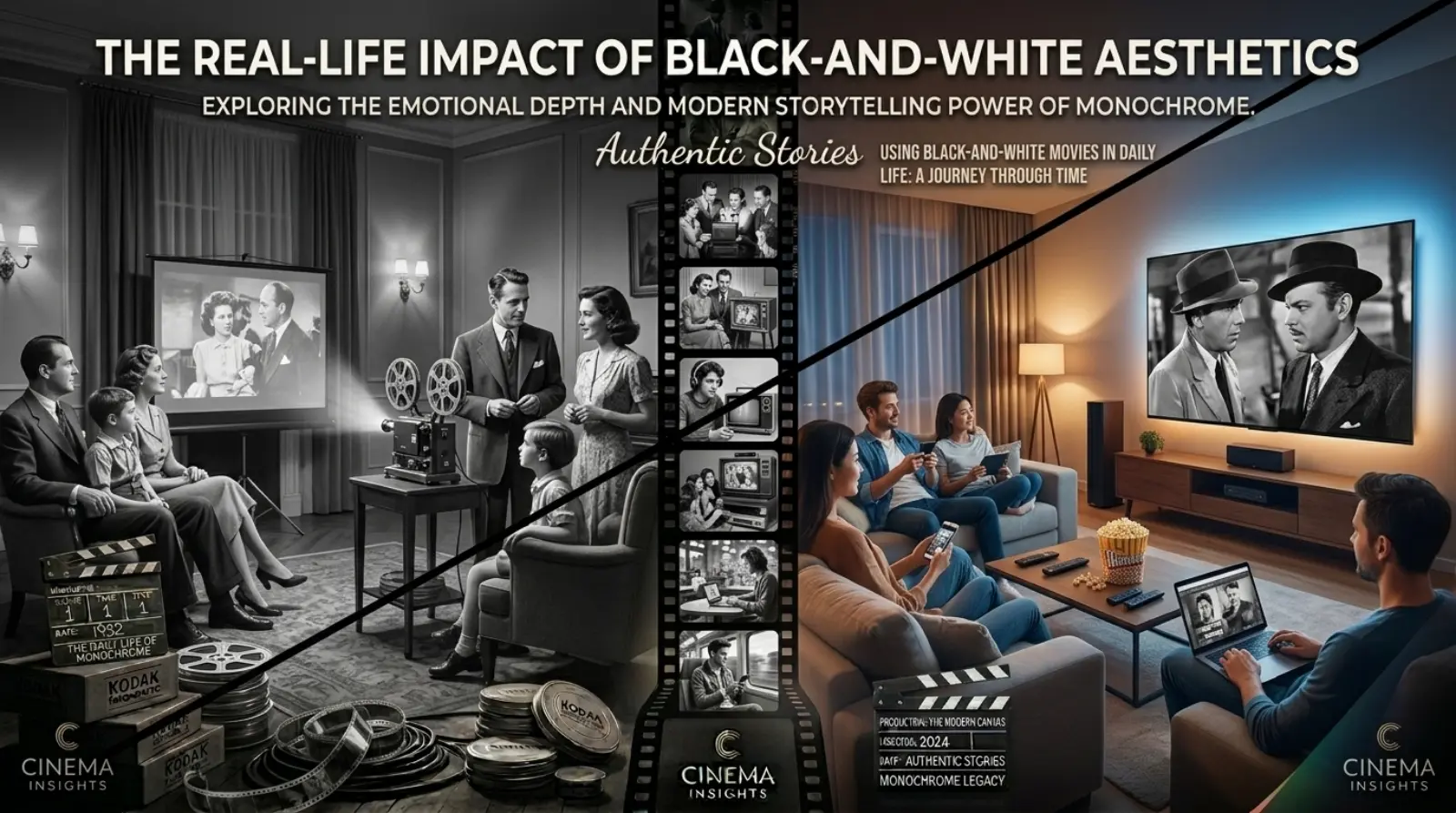
Usage of Black-and-White Movies in Daily Life
You may encounter black-and-white movies in many situations.
Education
Schools use classic films to teach history and art.
Entertainment
Many streaming platforms offer classic movie collections.
Film Studies
Students analyze cinematography techniques.
Creative Projects
Photographers and filmmakers often draw inspiration from these movies.
Cultural Events
Film festivals regularly showcase black-and-white classics.
Expert Insights: Why Black-and-White Movies Matter
Film experts often emphasize the value of black-and-white cinema.
They Teach Visual Storytelling
Without color, filmmakers must rely on composition and lighting.
They Preserve Film History
These movies document important periods in entertainment history.
They Improve Viewing Skills
Audiences learn to notice details beyond color.
They Inspire Modern Creators
Many contemporary directors borrow techniques from classic black-and-white films.
They Highlight Strong Writing
The story often becomes the center of attention.
Featured Snippet: What Is a Black or White Movie?
A black or white movie is a film that displays images using black, white, and gray tones rather than color. Most early movies used this format because color technology was not widely available. Today, black-and-white films remain popular for their artistic style, dramatic atmosphere, and historical importance.
Frequently Asked Questions (FAQs)
What is meant by a black or white movie?
It refers to a film that uses black, white, and gray shades instead of color.
Why were old movies black and white?
Early filmmaking technology could not easily produce color images.
Are black-and-white movies still made today?
Yes. Many modern directors still choose black and white for artistic reasons.
What is the most famous black-and-white movie?
Many consider Citizen Kane and Casablanca among the most famous examples.
Are black-and-white movies better than color movies?
Neither is automatically better. Each style offers unique strengths.
Why do black-and-white movies feel different?
They emphasize lighting, shadows, and storytelling rather than color.
What is monochrome cinema?
Monochrome cinema is another term for black-and-white filmmaking.
Can black-and-white movies attract modern audiences?
Yes. Strong stories and artistic visuals continue to appeal to viewers.
Conclusion
A black or white movie remains one of the most important forms of cinema. These films helped build the foundation of modern filmmaking and introduced many storytelling techniques still used today. While color movies dominate theaters, black-and-white films continue to attract viewers with their timeless beauty, emotional depth, and artistic power.
Whether you enjoy classic Hollywood films or modern artistic productions, black-and-white cinema offers a unique viewing experience. By understanding its history, strengths, and influence, you can better appreciate why these movies continue to inspire audiences around the world. The next time you see a black or white movie, give it a chance—you may discover a masterpiece.