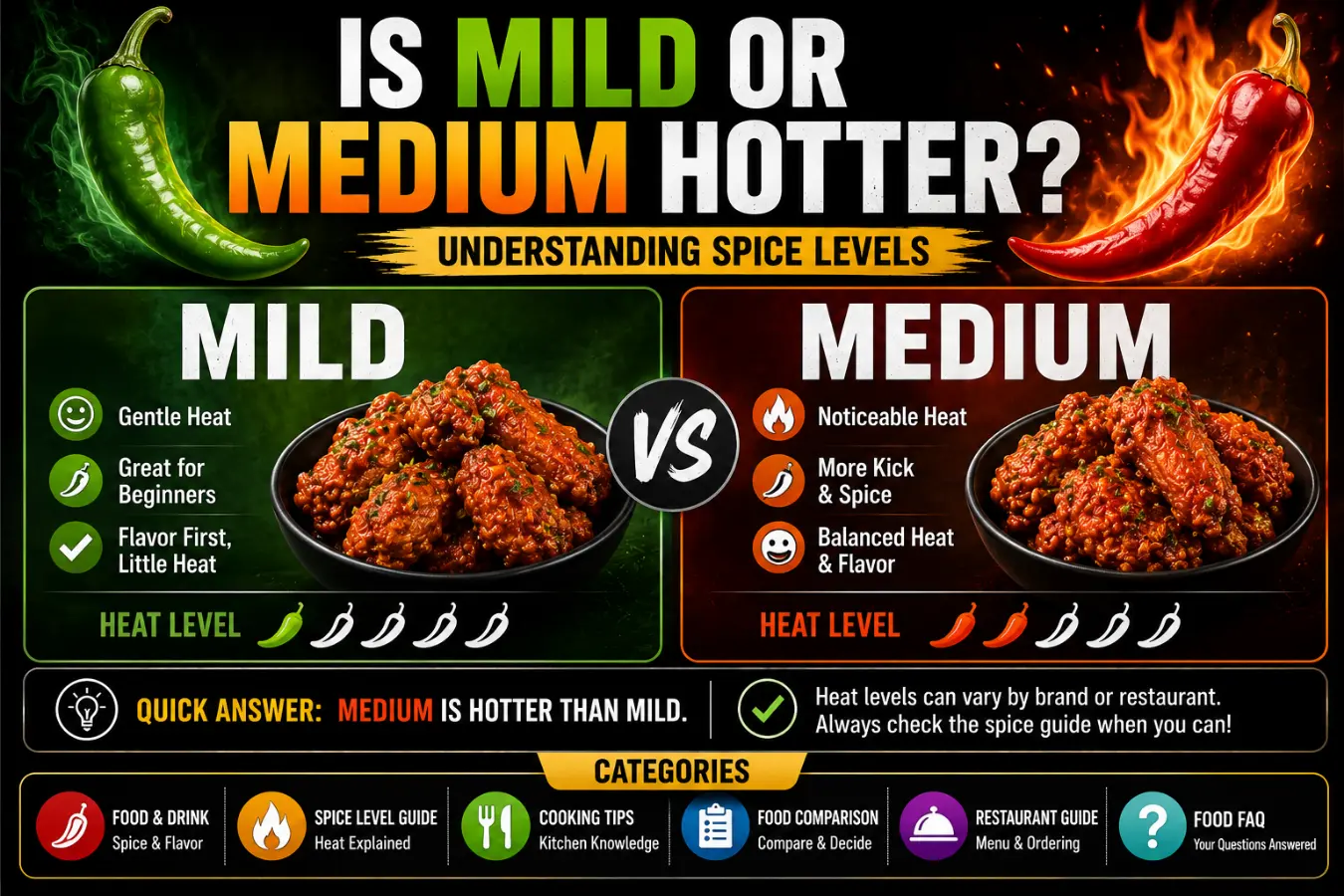
Is mild or medium hotter? This is a common question when ordering food, choosing sauces, or buying spicy snacks. The simple answer is that medium is hotter than mild.
Restaurants, food brands, and sauce makers often use heat levels to help customers choose the right amount of spice. Mild offers a gentle flavor with very little heat. Medium provides a noticeable kick without being too spicy for most people.
Understanding the difference helps you avoid ordering food that is too hot or too bland. In this guide, you’ll learn what mild and medium mean, how they compare, common mistakes people make, and which option might be best for your taste buds.
Quick Summary Box
- Medium is hotter than mild.
- Mild has little to no spicy heat.
- Medium offers a noticeable but manageable spice level.
- Most restaurants rank heat as: Mild → Medium → Hot.
- Medium works well for people who enjoy some spice.
- Mild is best for sensitive taste buds.
- Heat levels can vary by restaurant or brand.
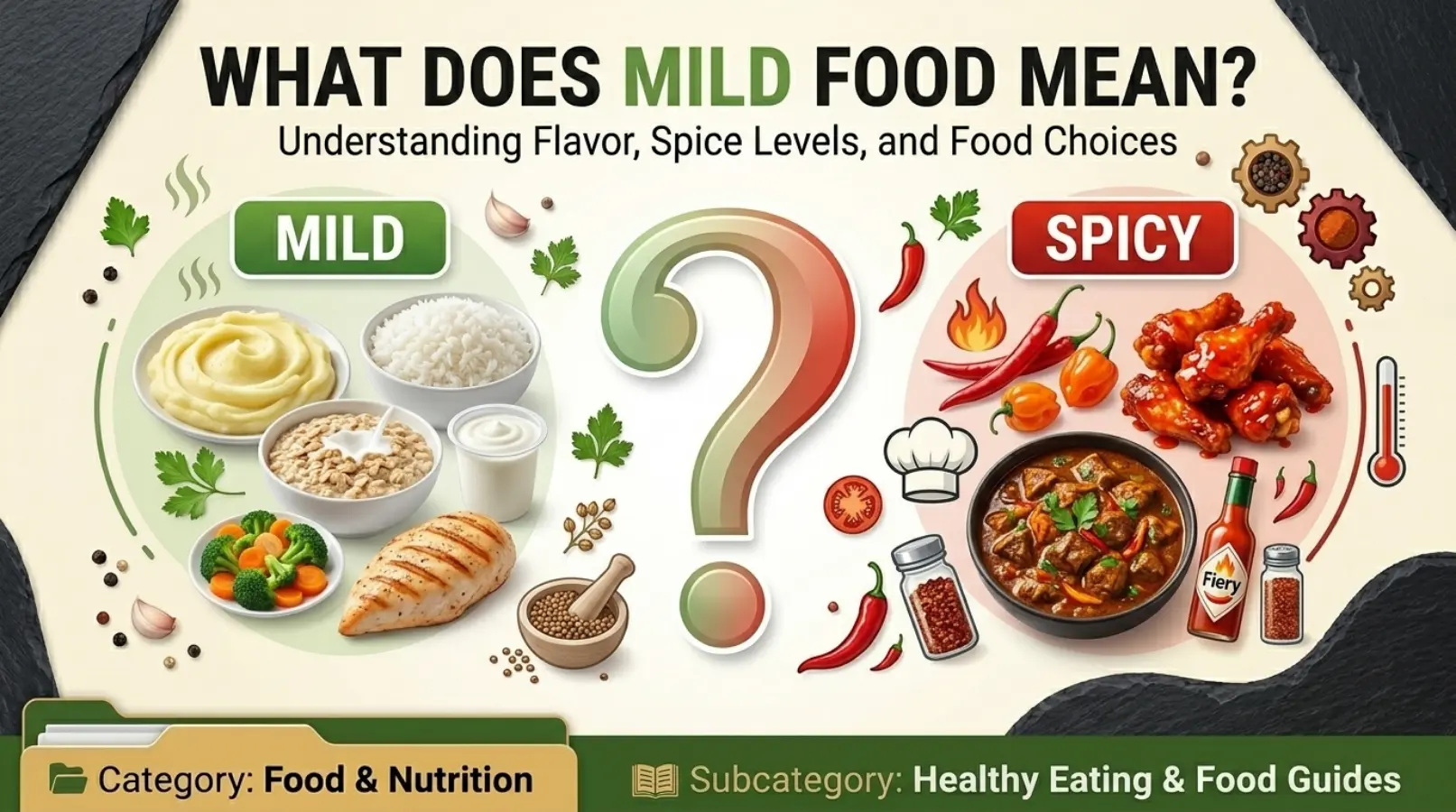
What Does Mild Food Mean?
Mild refers to food with very little heat or spice.
A mild dish focuses more on flavor than spiciness. Most people can enjoy mild foods without feeling discomfort.
Characteristics of Mild Food
- Very low spice level
- Little burning sensation
- Family-friendly option
- Suitable for children
- Easy on sensitive stomachs
Examples of Mild Foods
- Mild salsa
- Mild buffalo wings
- Mild curry
- Mild taco sauce
- Mild chili
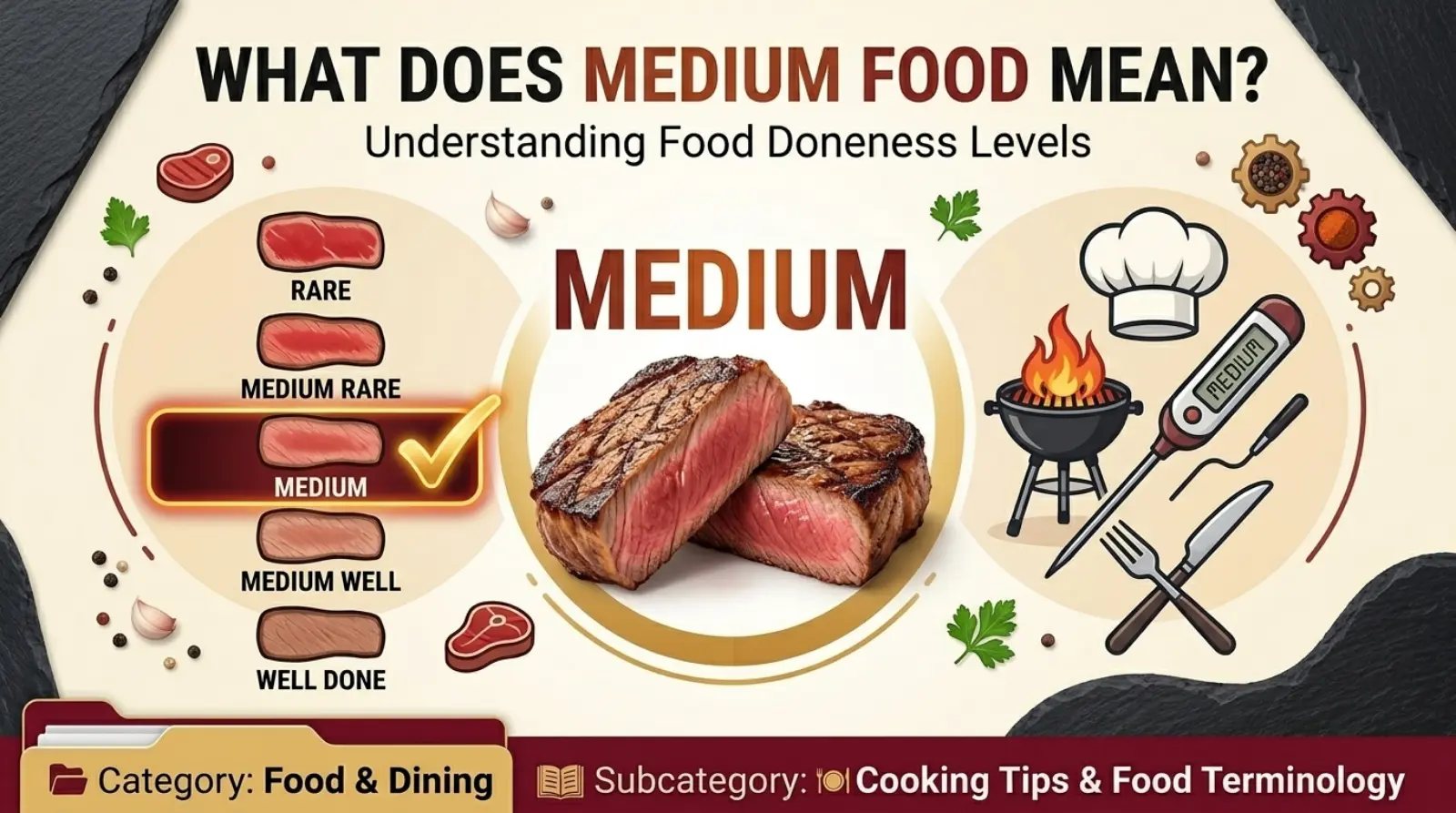
What Does Medium Food Mean?
Medium refers to a moderate level of heat.
It contains more spicy ingredients than mild options. However, it is not as intense as hot or extra-hot foods.
Characteristics of Medium Food
- Noticeable heat
- Balanced flavor and spice
- Comfortable for most adults
- Mild burning sensation
- More exciting than mild dishes
Examples of Medium Foods
- Medium salsa
- Medium buffalo wings
- Medium curry
- Medium hot sauce
- Medium chili
Is Mild or Medium Hotter?
The answer is simple:
Medium Is Hotter Than Mild
Most restaurants and food brands use this heat scale:
| Heat Level | Spice Rating |
| Mild | Lowest |
| Medium | Moderate |
| Hot | High |
| Extra Hot | Very High |
| Extreme | Highest |
Medium contains more peppers, spices, or chili ingredients than mild varieties.
What Is Hotter: Mild or Medium Tostitos Salsa?
If you’re wondering what is hotter, mild or medium Tostitos salsa, the simple answer is medium Tostitos salsa is hotter than mild.
Both varieties are made with tomatoes, onions, peppers, and spices, but medium salsa contains more chili peppers or spicier peppers, giving it a stronger kick. Mild salsa is designed for people who enjoy salsa flavor without much heat.
Quick Comparison Table
| Feature | Mild Tostitos Salsa | Medium Tostitos Salsa |
| Spice Level | 🌶️ Very Low | 🌶️🌶️ Moderate |
| Best For | Kids, beginners, sensitive taste buds | People who enjoy a little heat |
| Pepper Flavor | Light | Richer and spicier |
| Heat Intensity | Gentle | Noticeably hotter |
| Everyday Use | Snacking, dipping, tacos | Nachos, burritos, grilled foods |
How Spicy Is Mild Tostitos Salsa?
Mild Tostitos Salsa focuses on fresh tomato flavor rather than heat. You may notice only a slight pepper taste, making it suitable for:
- Children
- People who dislike spicy food
- Family gatherings
- Everyday snacking with tortilla chips
How Spicy Is Medium Tostitos Salsa?
Medium Tostitos Salsa offers a balanced level of heat. It is spicy enough to add excitement but not so hot that it overwhelms the flavor.
It’s a popular choice for:
- Nachos
- Tacos
- Burritos
- Quesadillas
- Mexican-inspired meals
Which One Should You Choose?
Choose Mild Tostitos Salsa if you:
- Prefer little or no spice.
- Are serving children.
- Want the tomato flavor to stand out.
Choose Medium Tostitos Salsa if you:
- Enjoy a moderate spicy kick.
- Like bold flavors.
- Want more heat without reaching “hot” salsa levels.
Is Medium Tostitos Salsa Very Hot?
No. Medium Tostitos Salsa is not considered very hot. It provides a comfortable level of spice for most people. If you regularly eat spicy foods, you’ll likely find it mildly spicy rather than intense.
Mild vs Medium: Comparison Table
| Feature | Mild | Medium |
| Heat Level | Low | Moderate |
| Spice Sensation | Minimal | Noticeable |
| Best For | Beginners | Spice Lovers |
| Family Friendly | Yes | Usually |
| Burning Feeling | Rare | Mild |
| Pepper Content | Low | Higher |
| Flavor Focus | Strong | Balanced |
| Popular Choice | Children | Adults |
This comparison shows that medium consistently delivers more heat than mild.
Why Heat Levels Matter
Heat levels help people choose food they can enjoy.
Without labels like mild and medium, ordering food would become difficult.
Benefits of Heat Labels
- Prevent unpleasant surprises
- Help customers make informed choices
- Improve dining experiences
- Accommodate different spice tolerances
- Reduce food waste
Many restaurants use these labels to satisfy a wider audience.
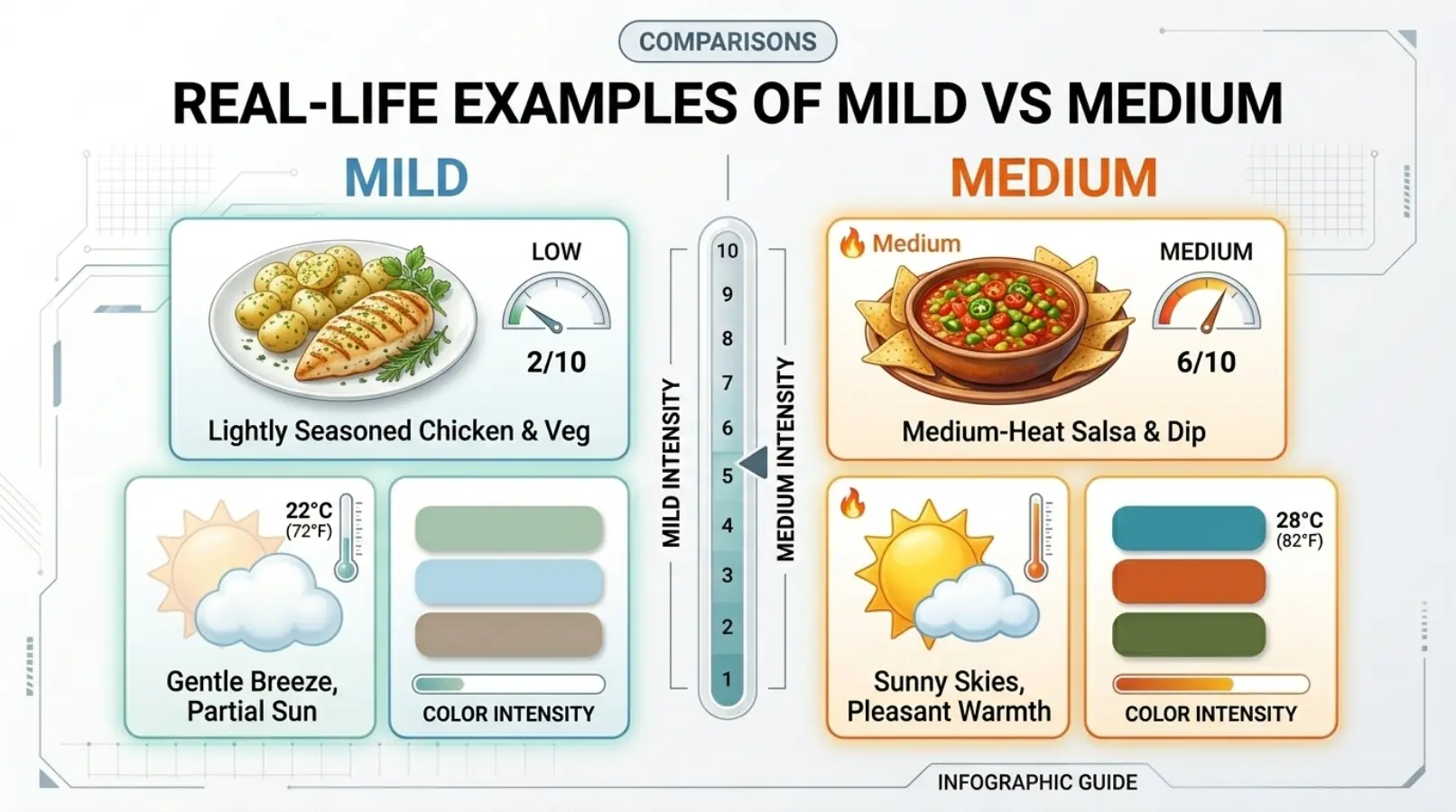
Real-Life Examples of Mild vs Medium
At a Mexican Restaurant
- Mild salsa contains fewer peppers.
- Medium salsa includes more chili peppers.
Result: Medium salsa feels hotter.
Ordering Chicken Wings
- Mild wings have less hot sauce.
- Medium wings contain more spicy seasoning.
Result: Medium wings create more heat.
Choosing Curry
- Mild curry focuses on creamy flavors.
- Medium curry adds stronger spices.
Result: Medium curry tastes noticeably hotter.
How Restaurants Define Mild and Medium
There is no universal rule for spice levels.
One restaurant’s medium sauce may feel hotter than another restaurant’s hot sauce.
Factors That Affect Heat
- Type of peppers used
- Amount of peppers added
- Cooking method
- Regional preferences
- Restaurant recipes
Always ask staff if you’re unsure.
Mild, Medium or Hot Sauce?
Choosing between mild, medium, or hot sauce depends on your spice tolerance, flavor preference, and the meal you are eating. While all three sauces can contain similar ingredients, the biggest difference is the amount of chili peppers or spicy seasonings used. Understanding these heat levels helps you enjoy your food without overwhelming your taste buds.
What Is Mild Sauce?
Mild sauce has the lowest heat level. It focuses more on flavor than spiciness, making it a great choice for children, beginners, and people with sensitive stomachs.
Best for:
- Burgers and sandwiches
- Chicken nuggets
- Fries
- Tacos
- Family meals
Flavor profile:
- Slightly sweet
- Tangy
- Creamy or tomato-based
- Very little burning sensation
What Is Medium Sauce?
Medium sauce offers a balanced combination of flavor and heat. It gives your food a noticeable kick without being too intense.
Best for:
- Grilled chicken
- Burritos
- Pizza
- Rice bowls
- BBQ dishes
Flavor profile:
- Moderately spicy
- Rich chili flavor
- Balanced heat
- Suitable for most people
What Is Hot Sauce?
Hot sauce contains the highest concentration of spicy peppers, delivering a strong heat that spice lovers enjoy. Some varieties also include smoky, fruity, or fermented flavors.
Best for:
- Buffalo wings
- Tacos
- Burritos
- Grilled meats
- Spicy recipes
Flavor profile:
- Intense heat
- Bold pepper taste
- Lingering spicy sensation
- Ideal for experienced spice lovers
Mild vs Medium vs Hot Sauce Comparison
| Feature | Mild Sauce | Medium Sauce | Hot Sauce |
| Heat Level | Low | Moderate | High |
| Spice Tolerance Needed | Beginner | Average | Experienced |
| Flavor Focus | More flavor than heat | Balanced | Heat with bold flavor |
| Burning Sensation | Minimal | Noticeable | Strong |
| Best For | Kids and sensitive eaters | Most adults | Spice enthusiasts |
Which Sauce Should You Choose?
- Choose mild sauce if you prefer rich flavor without much heat.
- Choose medium sauce if you enjoy a balanced spicy kick.
- Choose hot sauce if you love bold, fiery flavors and can handle high spice levels.
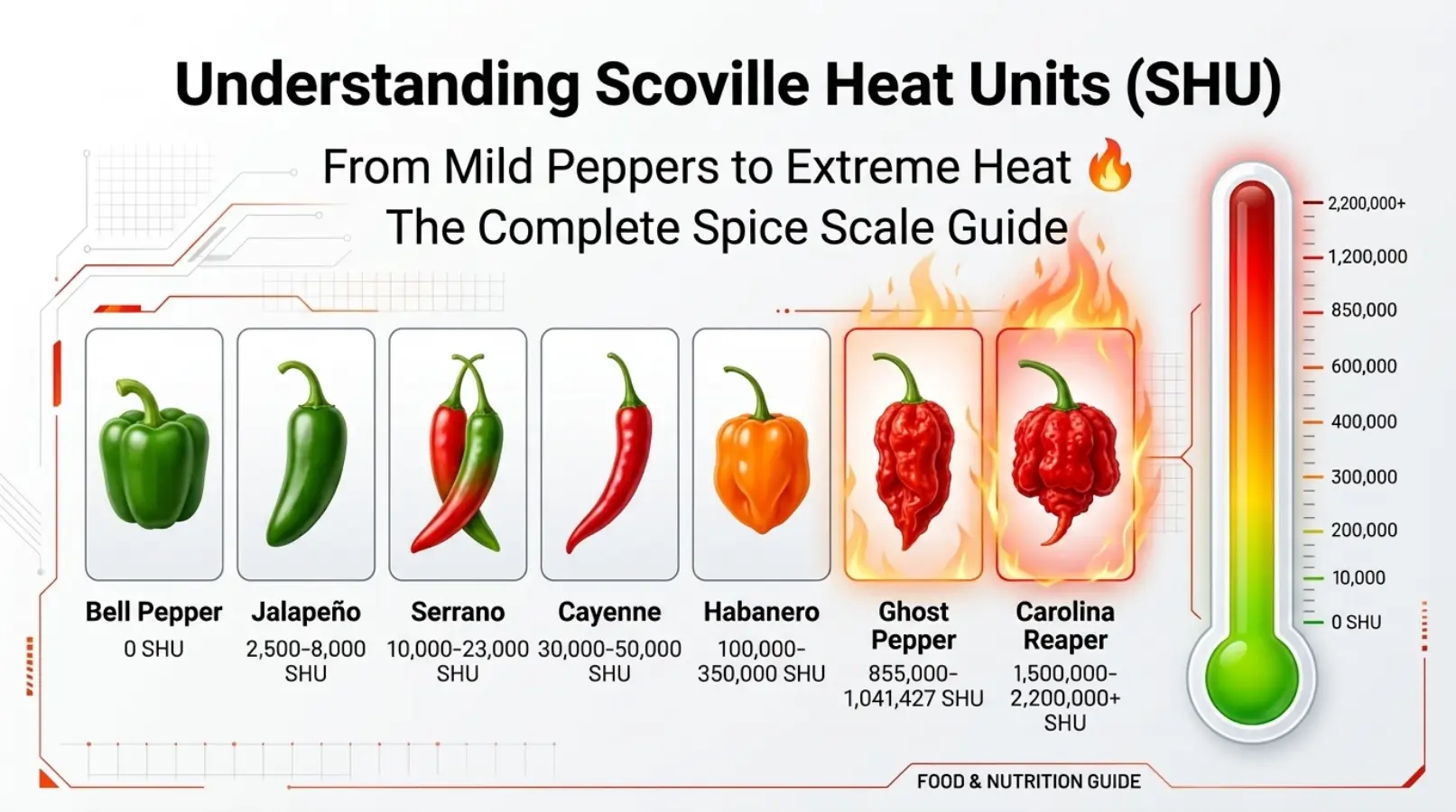
Understanding Scoville Heat Units (SHU)
The Scoville Scale measures pepper heat.
It helps explain why some foods feel hotter than others.
Common Pepper Ratings
| Pepper | Scoville Heat Units |
| Bell Pepper | 0 |
| Banana Pepper | 100–900 |
| Poblano Pepper | 1,000–2,000 |
| Jalapeño Pepper | 2,500–8,000 |
| Serrano Pepper | 10,000–23,000 |
| Cayenne Pepper | 30,000–50,000 |
Many mild foods use peppers with lower SHU ratings. Medium foods often include hotter peppers.
Common Mistakes People Make
Assuming Medium Means Very Hot
Many people think medium is extremely spicy.
In reality, medium usually offers moderate heat.
Thinking Heat Levels Are Universal
Restaurants create their own spice scales.
Medium heat can vary greatly.
Ignoring Ingredients
Some sauces contain hotter peppers even when labeled medium.
Always check ingredient lists.
Choosing Based on Name Alone
Terms like “zesty” or “fiery” can be misleading.
Read descriptions carefully.
Tips for Choosing Between Mild and Medium
Choose Mild If:
- You dislike spicy food.
- You have a sensitive stomach.
- You are introducing children to spicy foods.
- You prefer flavor over heat.
Choose Medium If:
- You enjoy some spice.
- You want extra flavor complexity.
- Mild foods feel too bland.
- You are building spice tolerance.
How Spice Tolerance Affects Your Choice
Everyone experiences heat differently.
What feels mild to one person may seem hot to another.
Factors That Influence Spice Tolerance
- Age
- Diet
- Cultural background
- Frequency of eating spicy foods
- Individual sensitivity
People who regularly eat spicy foods often prefer medium or hot options.
Synonyms
Mild Synonyms
- Gentle
- Light spice
- Low heat
- Soft flavor
- Non-spicy
Medium Synonyms
- Moderate heat
- Balanced spice
- Mid-level heat
- Moderate kick
- Medium spice
How Mild and Medium Are Used in Daily Life
Heat labels appear in many products.
Common Examples
- Hot sauces
- Salsas
- Chicken wings
- Curries
- Tacos
- Instant noodles
- Snack foods
- Seasoning blends
Knowing the difference helps you choose foods you’ll enjoy.
Expert Insight: Why Understanding Heat Levels Matters
Food experts recommend understanding spice labels before ordering.
Heat levels affect flavor, enjoyment, and comfort.
A person who prefers mild foods may not enjoy a medium dish. Likewise, someone who loves spice may find mild food boring.
Understanding these labels improves your dining experience and helps you discover new flavors confidently.
Expert Tip
Start with mild if you’re unsure. Next time, move to medium if you want more heat.
This gradual approach helps build spice tolerance comfortably.
Frequently Asked Questions (FAQs)
1. Is mild or medium hotter?
Medium is hotter than mild in almost all restaurants and food products.
2. Can mild food still be spicy?
Yes. Some mild foods contain small amounts of spice, but the heat remains low.
3. Is medium considered spicy?
Yes. Medium is moderately spicy but usually comfortable for most adults.
4. Which is better, mild or medium?
Neither is better. The best choice depends on your spice preference.
5. Is medium close to hot?
No. Medium is generally less spicy than hot foods.
6. Do all restaurants use the same spice scale?
No. Heat levels vary by restaurant and recipe.
7. Can children eat medium foods?
Many children can eat medium foods, but mild options are usually safer.
8. How can I reduce spicy heat?
Drink milk, eat bread, or consume dairy products to reduce the burning sensation.
Conclusion
So, is mild or medium hotter? The answer is clear: medium is hotter than mild. Mild foods contain very little spice and focus on flavor. Medium foods provide a balanced kick that many people enjoy without overwhelming heat.
While spice levels vary between restaurants and brands, the general order remains the same: mild comes first, followed by medium, then hot. Understanding these labels helps you choose foods that match your comfort level and taste preferences.
If you’re new to spicy food, start with mild. If you want more excitement and flavor, try medium. Knowing the difference ensures a better dining experience every time.