Is independent X or Y? This is one of the most common questions students ask when learning math, science, and statistics. The answer is simple, but many people still get confused.
In most graphs and equations, the independent variable is X and the dependent variable is Y. The independent variable stands alone. The dependent variable changes based on the independent variable.
Understanding this concept helps you read graphs, solve equations, and analyze data correctly. If you are a student, teacher, or researcher, knowing the difference can save time and prevent mistakes.
This guide explains everything in simple terms. You will learn definitions, examples, comparisons, tips, and expert insights. By the end, you will confidently know whether the independent variable is X or Y.
Quick Summary Box
- The independent variable is usually X.
- The dependent variable is usually Y.
- X affects Y.
- Y changes because of X.
- On graphs, X appears on the horizontal axis.
- Y appears on the vertical axis.
- Independent variables do not depend on other variables.
- Dependent variables rely on independent variables.
- Most equations use the format Y = f(X).
- Remember: X comes first, Y follows.
What Does “Is Independent X or Y” Mean?
The question asks which variable acts independently in an equation, graph, or experiment.
In most cases:
- X = Independent Variable
- Y = Dependent Variable
The independent variable controls the outcome. The dependent variable responds to changes.
For example:
- Hours studied = X
- Test score = Y
The score depends on study time.
Understanding the Independent Variable
An independent variable stands on its own.
It does not rely on another variable.
Researchers often change the independent variable to observe results.
Examples
| Independent Variable (X) | Dependent Variable (Y) |
| Hours studied | Exam score |
| Exercise time | Calories burned |
| Water given | Plant growth |
| Advertising budget | Sales revenue |
| Sleep hours | Energy level |
In each example, X influences Y.
Understanding the Dependent Variable
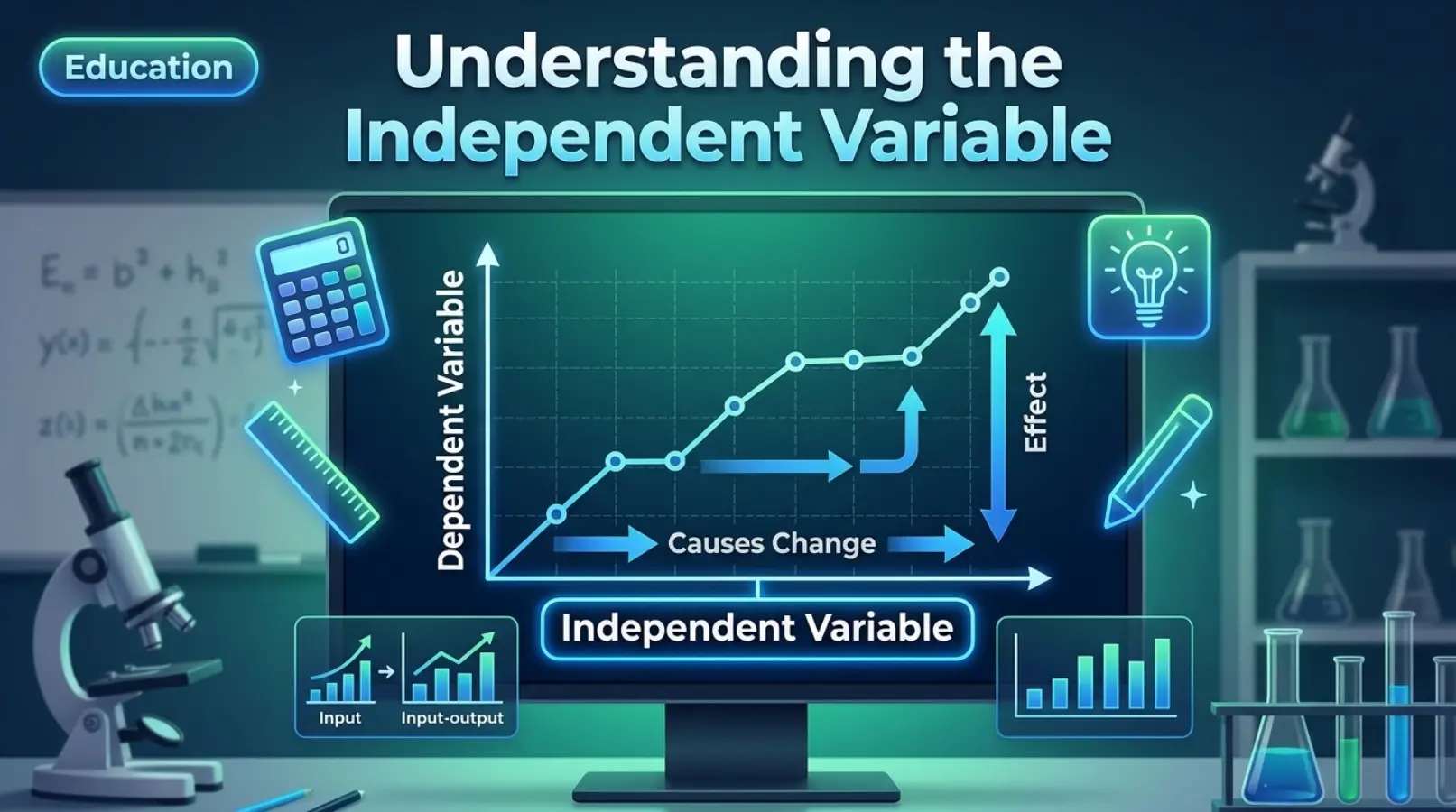
The dependent variable changes when the independent variable changes.
It depends on the actions or conditions created by the independent variable.
Example
If you water a plant more often:
- Water amount = X
- Plant growth = Y
Plant growth depends on the amount of water.
Is Independent X or Y in Graphs?
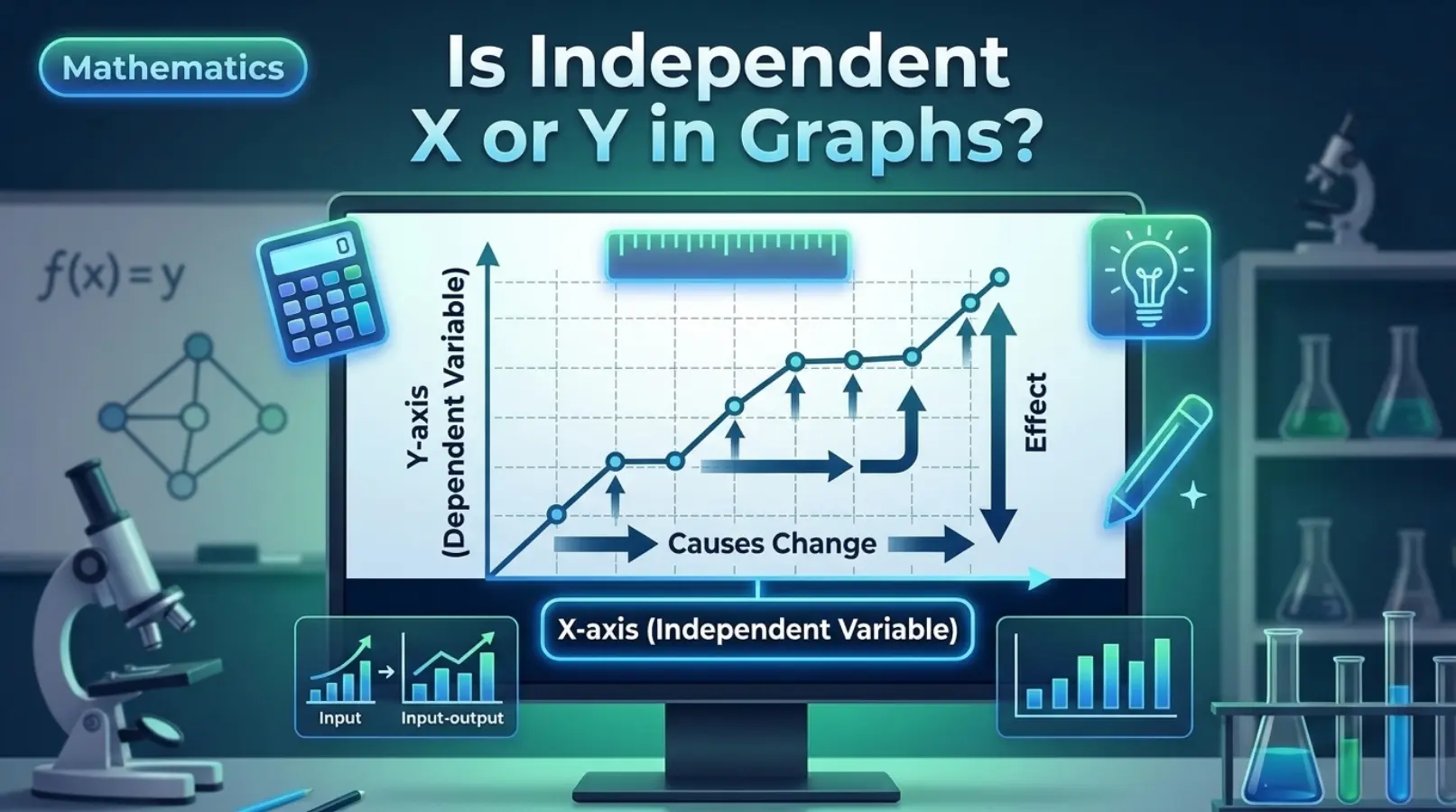
In graphs, the independent variable almost always appears on the horizontal axis.
Graph Layout
- Horizontal axis = X-axis
- Vertical axis = Y-axis
The X-axis shows the independent variable.
The Y-axis shows the dependent variable.
Example
If a graph shows study hours and test scores:
- X-axis = Study hours
- Y-axis = Test scores
The score depends on study time.
Is Independent X or Y in Equations?
Most mathematical equations follow the same rule.
Consider this equation:
Here:
- X is the independent variable.
- Y is the dependent variable.
When X changes, Y changes.
Example
If X = 2:
Y = 9
If X = 4:
Y = 13
Y responds to changes in X.
Independent Variable vs Dependent Variable
Comparison Table
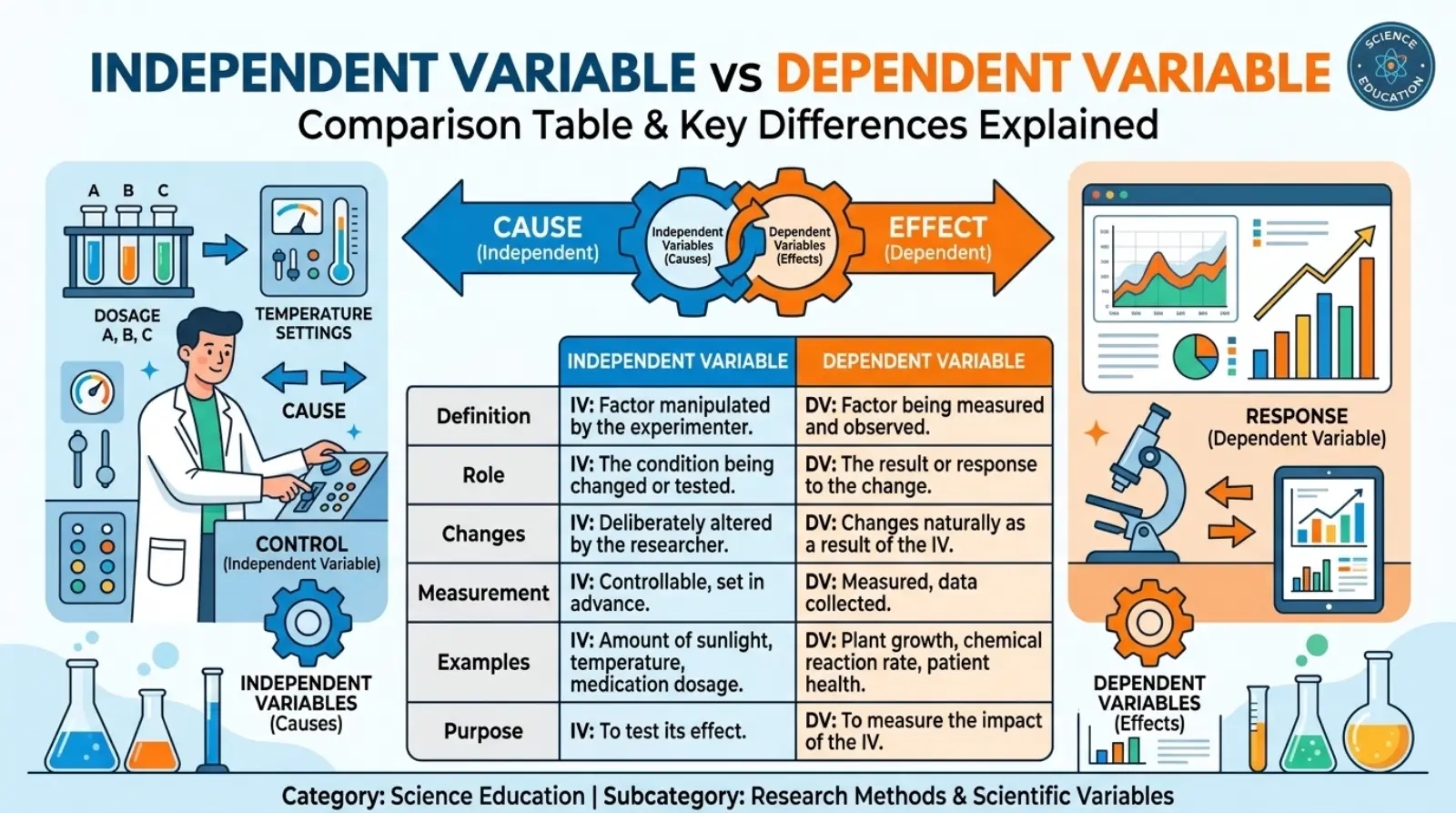
| Feature | Independent Variable (X) | Dependent Variable (Y) |
| Role | Causes change | Receives change |
| Symbol | Usually X | Usually Y |
| Graph Position | Horizontal axis | Vertical axis |
| Control | Controlled by researcher | Measured result |
| Depends On | Nothing | Independent variable |
| Changes First | Yes | No |
This comparison makes it easier to remember the difference.
Real-Life Examples of Independent and Dependent Variables
Example 1: Studying
- X = Study hours
- Y = Test score
More study time often improves scores.
Example 2: Fitness
- X = Workout duration
- Y = Calories burned
Longer workouts burn more calories.
Example 3: Business
- X = Advertising budget
- Y = Sales
More advertising may increase sales.
Example 4: Gardening
- X = Water amount
- Y = Plant height
Plants grow differently based on water supply.
Example 5: Sleep
- X = Sleep hours
- Y = Energy level
More sleep often improves energy.
Easy Tricks to Remember Independent X or Y
Many students mix up X and Y.
Use these simple tricks.
Trick 1: X Comes First
In the alphabet:
- X comes before Y
The independent variable comes first.
Trick 2: X Controls Y
Think:
X affects Y
The cause comes before the effect.
Trick 3: Horizontal Means Independent
The X-axis runs left to right.
Independent variables usually sit there.
Trick 4: Input and Output
- Input = X
- Output = Y
The output depends on the input.
Common Mistakes People Make
Mistake 1: Thinking Y Is Always Independent
Y usually depends on X.
Always check the relationship.
Mistake 2: Ignoring Context
Sometimes variable names matter more than letters.
Example:
- Temperature affects ice cream sales.
Even if temperature is labeled “T,” it remains independent.
Mistake 3: Mixing Up Graph Axes
Students often reverse X and Y positions.
Remember:
- X = Horizontal
- Y = Vertical
Mistake 4: Focusing Only on Letters
The role matters more than the letter.
Independent variables are not always named X.
When the Independent Variable Is Not X
In advanced subjects, variables may use different letters.
Examples include:
- Time = t
- Temperature = T
- Distance = d
These variables can still be independent.
Example
Formula:
Distance = Speed × Time
Time may act as the independent variable.
The key question is:
Which variable causes the change?
That variable is independent.
Why Understanding Independent Variables Matters
Knowing independent and dependent variables helps in many areas.
Education
Students solve equations more accurately.
Science
Researchers design better experiments.
Statistics
Analysts interpret data correctly.
Business
Companies understand cause-and-effect relationships.
Everyday Decisions
People make smarter choices using data.
Synonyms
- Predictor variable
- Input variable
- Explanatory variable
- Controlled variable
- Experimental variable
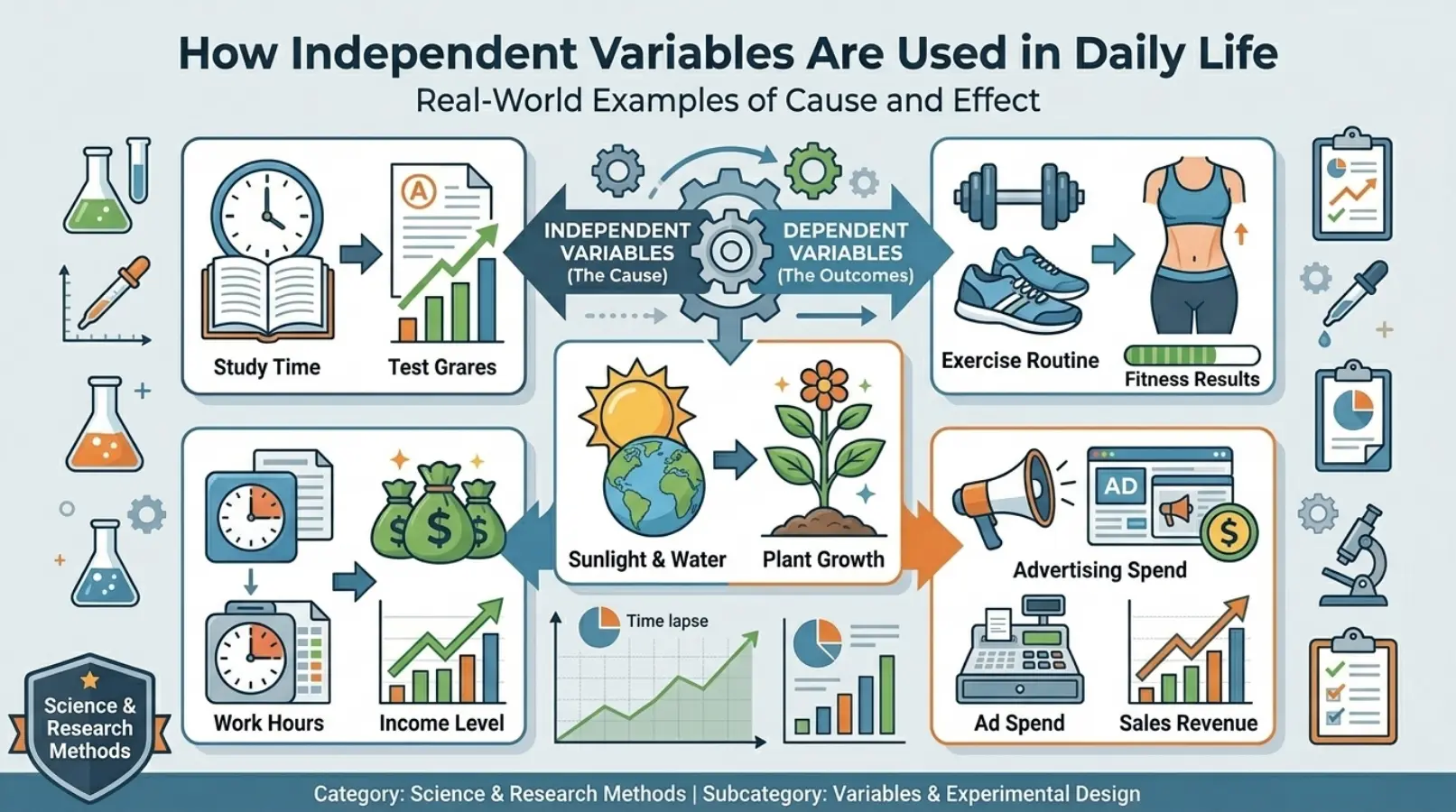
How Independent Variables Are Used in Daily Life
You use independent variables more often than you think.
Shopping
Price changes affect buying behavior.
Health
Exercise affects fitness results.
Education
Study habits affect grades.
Transportation
Travel speed affects arrival time.
Finance
Investment amount affects returns.
These examples show why understanding variables matters.
Expert Insights: Why This Topic Matters
Experts in mathematics, science, and statistics rely on independent variables every day.
Understanding variables improves critical thinking.
It also helps people understand data-driven decisions.
Students who master independent and dependent variables often find graphing and algebra easier.
Researchers use independent variables to test ideas and measure results.
Strong knowledge of this concept builds a foundation for advanced learning.
Frequently Asked Questions (FAQs)
1. Is the independent variable always X?
Usually yes, especially in graphs and equations. However, other letters can represent independent variables.
2. Is Y always dependent?
In most basic math and science examples, yes. Y typically depends on X.
3. How can I identify the independent variable?
Ask which variable causes or influences change.
4. Where is the independent variable on a graph?
It appears on the horizontal X-axis.
5. Why is X considered independent?
Because its value can change without depending on Y.
6. Can a variable be independent without being X?
Yes. Letters like t, d, or T can also represent independent variables.
7. What is an easy way to remember X and Y?
Think: X affects Y.
8. Why are independent variables important?
They help explain relationships between different factors.
Conclusion
The answer to “is independent X or Y” is usually very straightforward. In most graphs, equations, and experiments, X is the independent variable and Y is the dependent variable. The independent variable causes or influences change, while the dependent variable responds to it.
Remember the simple rule: X affects Y. This concept appears in mathematics, science, statistics, business, and everyday life. Understanding it helps you interpret graphs, analyze data, and solve problems with confidence.
While advanced situations may use different letters, the role of the variable matters more than its name. Focus on which variable drives the change, and you will always identify the independent variable correctly.