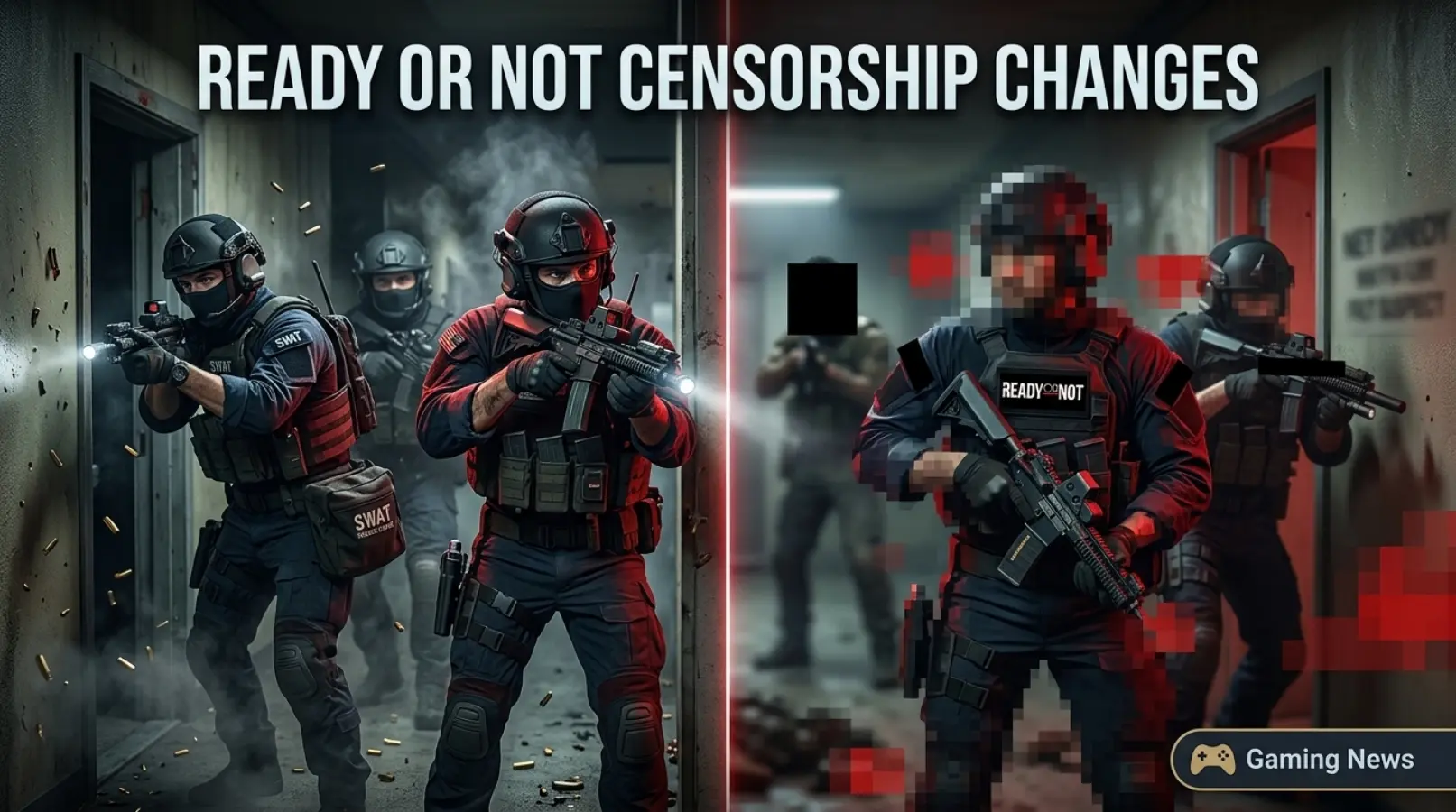
Ready or Not censorship changes have become a major topic among gamers. Many players want to know what changed and why. Others worry that the game may lose its original style.
Ready or Not is a tactical first-person shooter known for its realistic police operations. The game includes intense missions, mature themes, and detailed environments. Because of this content, developers sometimes adjust certain elements to meet platform rules, regional laws, or publishing requirements.
These updates have sparked debates across gaming communities. Some players support the changes. Others believe the original vision should stay untouched.
In this guide, you will learn what the Ready or Not censorship changes are, why they happened, how they affect gameplay, and what players should know moving forward.
Quick Summary Box
- Ready or Not is a realistic tactical shooter.
- Censorship changes involve adjustments to certain visual or sensitive content.
- Developers may change content to meet platform or regional requirements.
- Most changes do not affect core gameplay mechanics.
- Players continue to debate whether the updates improve or harm the experience.
- The topic remains important for fans of realistic tactical games.
What Are Ready or Not Censorship Changes?
Ready or Not censorship changes refer to modifications made to specific game content.
These adjustments can include:
- Visual changes to scenes
- Altered character models
- Reduced graphic details
- Modified environmental elements
- Adjustments to sensitive content
The goal often involves meeting legal, platform, or distribution requirements.
While the term “censorship” sounds negative to some players, developers sometimes view these updates as compliance changes rather than creative restrictions.
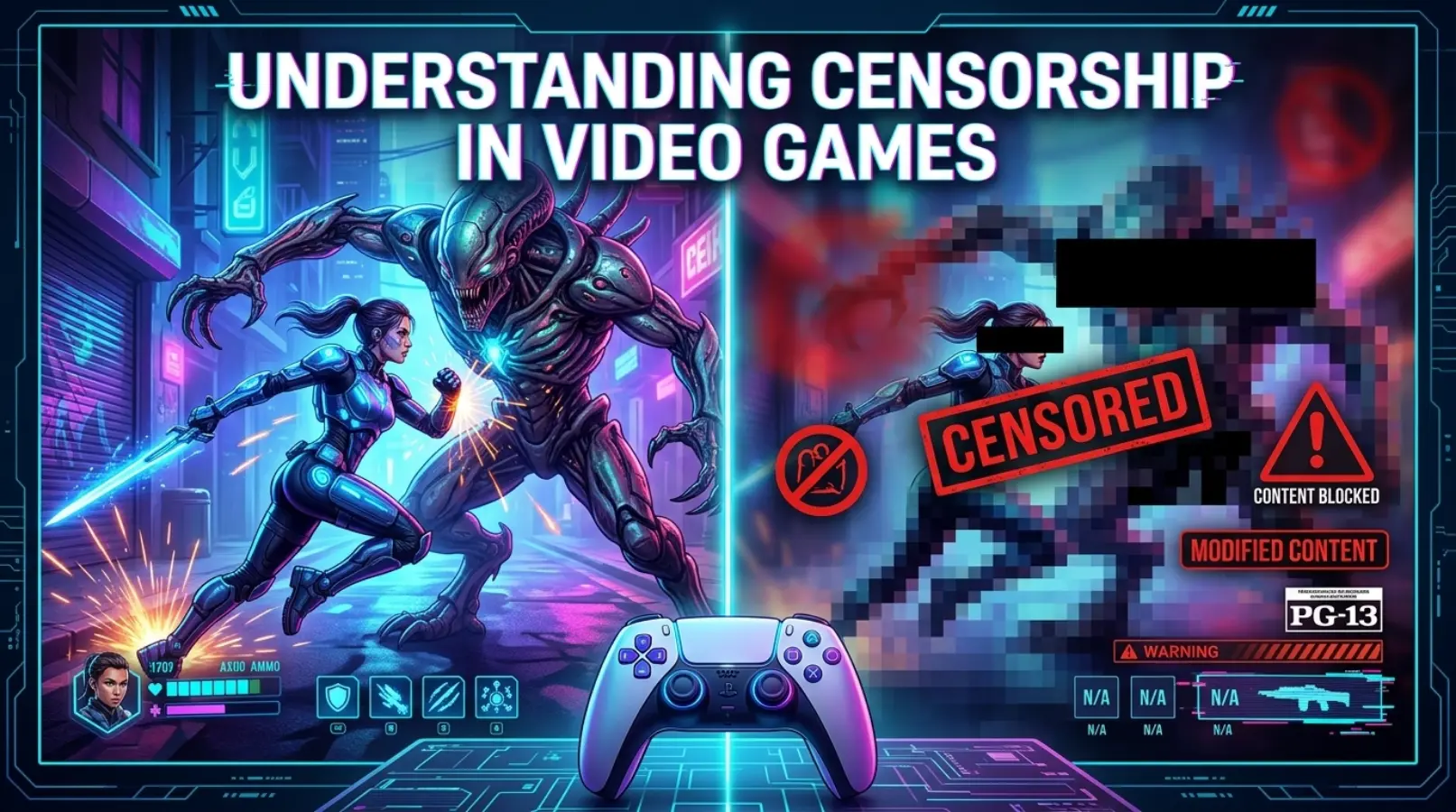
Understanding Censorship in Video Games
Video game censorship occurs when content gets changed, removed, or adjusted.
Common reasons include:
| Reason | Explanation |
| Age ratings | Meet rating board standards |
| Regional laws | Follow local regulations |
| Platform policies | Comply with store requirements |
| Publisher decisions | Expand market availability |
| Legal concerns | Avoid restricted content |
Many games have experienced similar changes over the years.
Why Did Ready or Not Receive Content Changes?
Several factors may lead developers to modify content.
Platform Requirements
Digital storefronts often have content guidelines. Developers must follow these rules to reach larger audiences.
Global Distribution
Different countries have different regulations. A scene allowed in one country may not be allowed in another.
Rating Considerations
Game ratings affect who can purchase a game. Small adjustments can help maintain a desired rating category.
Business Expansion
Developers sometimes seek broader market access. Content adjustments may support that goal.
What Types of Content Are Usually Changed?
When censorship discussions arise, players often refer to changes involving:
- Violence presentation
- Graphic imagery
- Sensitive themes
- Environmental details
- Character appearances
- Story-related visual elements
Not every update affects all these areas. Developers typically target specific concerns.

How Do These Changes Affect Gameplay?
Many players worry that censorship changes will impact gameplay.
In most cases, the core mechanics remain the same.
Gameplay Elements That Usually Stay Unchanged
- Weapon handling
- Mission objectives
- Team tactics
- AI behavior
- Map layouts
- Difficulty levels
Elements That May Change
- Visual presentation
- Environmental details
- Certain textures
- Character models
- Scene effects
As a result, gameplay often feels similar even after content adjustments.
Ready or Not Before and After Changes
The exact impact depends on the update version.
General Comparison
| Aspect | Before Changes | After Changes |
| Visual intensity | Higher in some scenes | Reduced in selected scenes |
| Mission structure | Same | Same |
| Tactical gameplay | Same | Same |
| Team commands | Same | Same |
| Objectives | Same | Same |
| Core experience | Tactical realism | Tactical realism |
This shows why many players report little difference during actual gameplay.
Why Some Players Oppose Censorship Changes
Many fans value realism.
Their concerns include:
- Loss of artistic vision
- Reduced immersion
- Less authentic storytelling
- Fear of future restrictions
These players believe mature games should remain unchanged whenever possible.
They often argue that adults can decide what content they wish to experience.
Why Some Players Support the Changes
Not everyone opposes content adjustments.
Supporters often point to:
- Wider accessibility
- Better platform compliance
- Increased game availability
- Reduced controversy
- Easier international distribution
Some players focus more on gameplay than visual details.
For them, the tactical experience remains the most important feature.
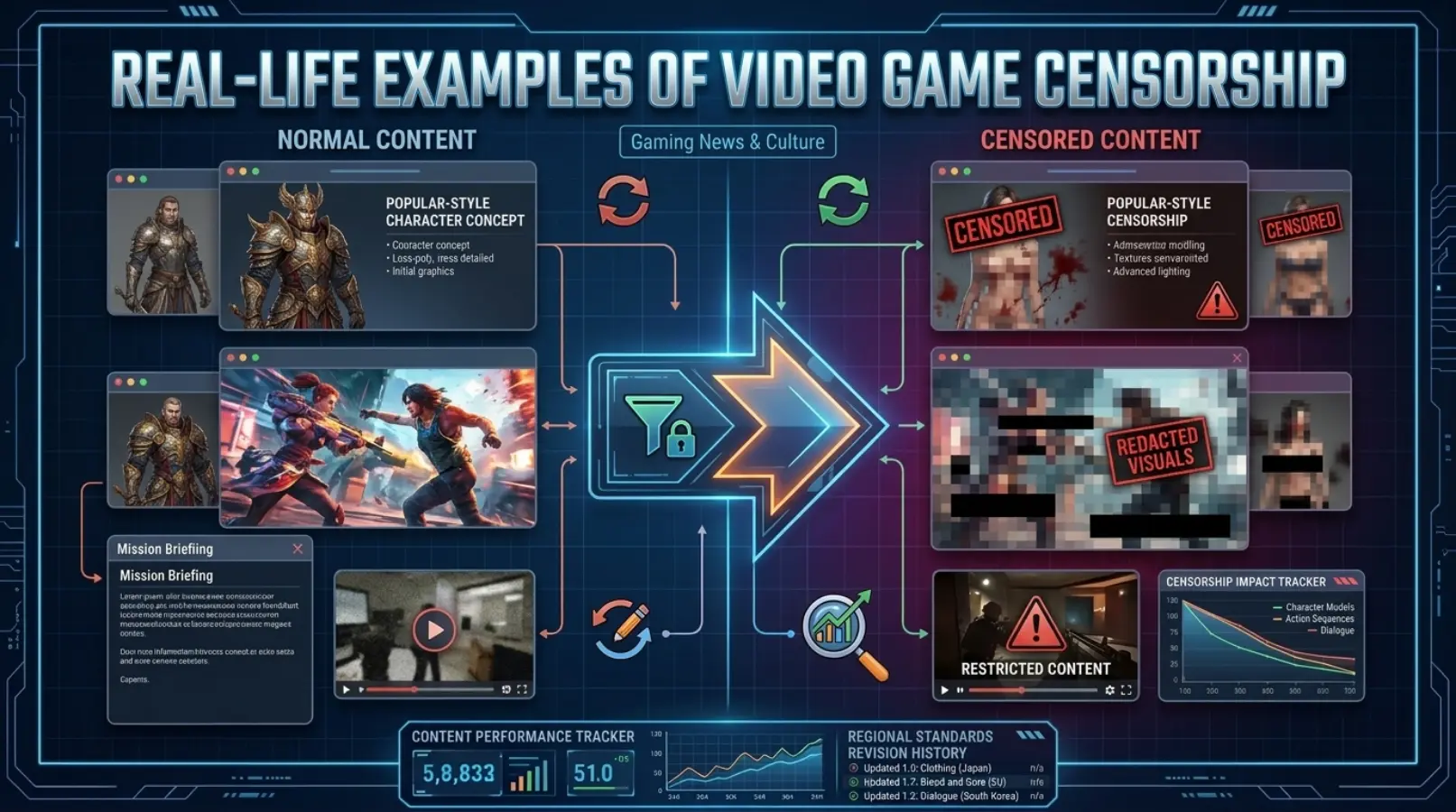
Real-Life Examples of Video Game Censorship
Ready or Not is not unique.
Many major games have received content changes.
Examples include:
- Violence adjustments for specific regions
- Modified symbols due to local laws
- Edited character designs
- Reduced graphic content
- Alternative versions for different markets
These examples show that censorship debates have existed in gaming for decades.
Common Misunderstandings About Ready or Not Censorship Changes
Many rumors spread quickly online.
Here are common misconceptions.
Mistake 1: The Entire Game Was Changed
Most updates target specific content rather than the whole game.
Mistake 2: Gameplay Was Removed
Core tactical mechanics generally remain intact.
Mistake 3: Every Region Gets the Same Version
Different markets sometimes receive different content versions.
Mistake 4: Censorship Always Means Developer Choice
Sometimes developers must follow external requirements.
Mistake 5: All Players Notice the Changes
Many players report minimal differences during normal gameplay.
How Players Can Stay Informed
Game updates can create confusion.
Follow these tips:
- Read official patch notes
- Check developer announcements
- Avoid relying only on social media rumors
- Compare verified information
- Follow trusted gaming news sources
Accurate information helps players understand what actually changed.
Ready or Not Censorship Changes in Daily Gaming Discussions
The topic appears frequently in:
- Gaming forums
- Reddit discussions
- Steam community pages
- YouTube reviews
- Gaming news articles
Players often discuss whether realism or accessibility should take priority.
This debate extends beyond Ready or Not and affects many modern games.
Expert Insights: Why This Topic Matters
Gaming censorship remains an important industry discussion.
Developers must balance several goals:
- Creative freedom
- Legal compliance
- Business growth
- Player expectations
The Ready or Not censorship changes highlight this challenge.
From an industry perspective, these decisions can influence sales, reputation, and community trust.
For players, understanding the reasons behind changes creates more informed discussions.
Strong communities focus on facts rather than rumors.
Frequently Asked Questions (FAQs)
What are Ready or Not censorship changes?
They are modifications made to certain game content, visuals, or sensitive elements.
Did the censorship changes affect gameplay?
Most reports indicate that core gameplay mechanics remain unchanged.
Why would developers censor content?
Developers may need to meet platform policies, legal rules, or rating requirements.
Is Ready or Not still realistic?
Yes. The game continues to focus on tactical realism and police operations.
Were missions removed because of censorship?
Most discussions focus on content adjustments rather than mission removal.
Do all countries receive the same version?
Not always. Some regions may have different content requirements.
Why are players debating these changes?
Many players value realism and artistic freedom, while others support broader accessibility.
Can censorship changes impact future updates?
Potentially. Future content decisions may depend on platform, legal, and market considerations.
Conclusion
The Ready or Not censorship changes continue to generate discussion among gamers worldwide. Some players view these updates as necessary for platform compliance and broader distribution. Others believe they reduce the game’s original vision and realism.
Despite the debate, most reported changes focus on specific visual or sensitive content rather than core gameplay systems. The tactical experience, mission structure, and team-based mechanics remain central to the game.
Understanding why these changes happen helps players separate facts from rumors. Whether you support or oppose the updates, staying informed through official sources is the best approach. As the gaming industry evolves, discussions about censorship, creative freedom, and accessibility will likely remain important topics for both developers and players.