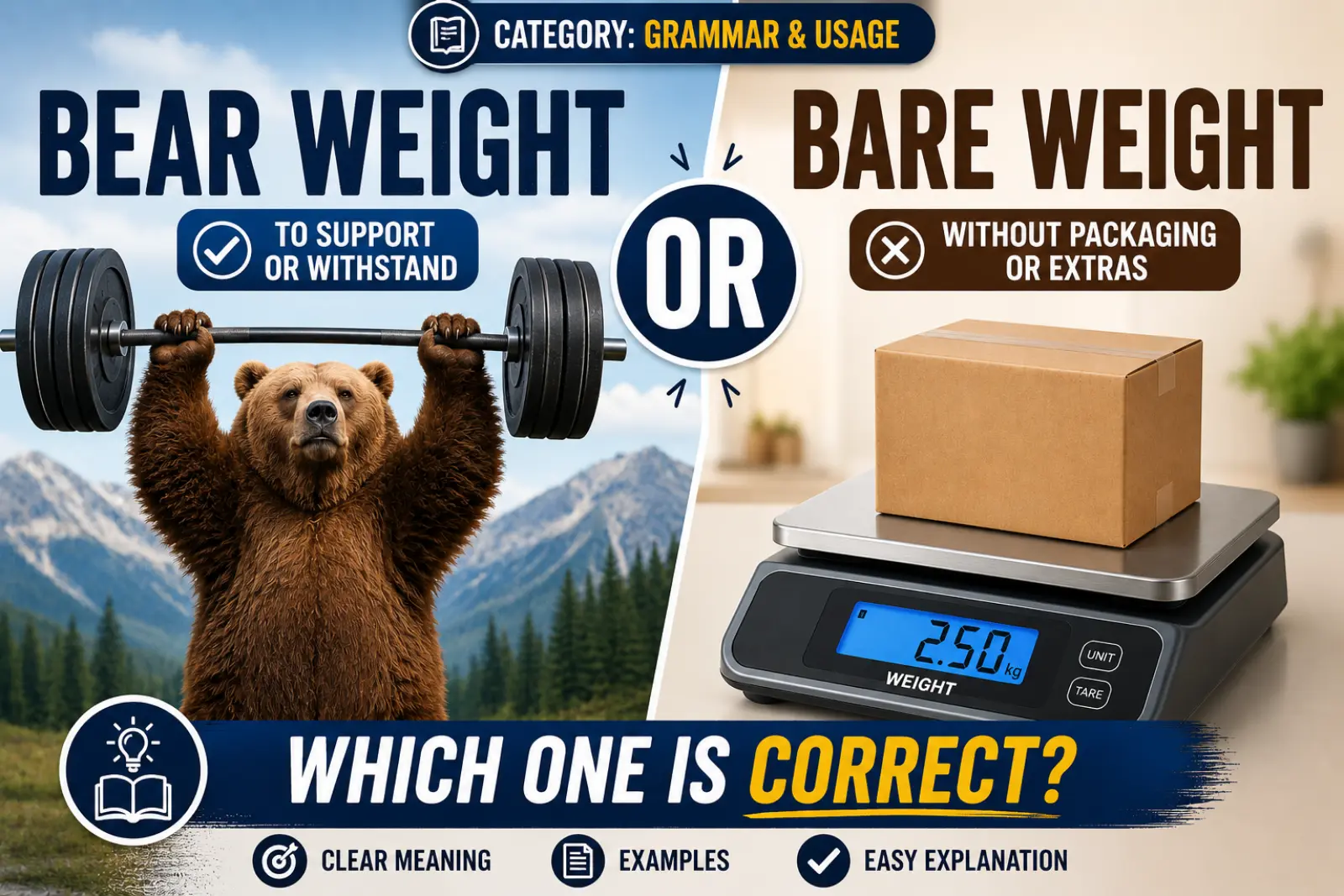
Bear weight or bare weight is a common grammar question that confuses many English learners and writers. These two phrases sound the same, but they have different meanings.
Many people mistakenly write bare weight when they actually mean bear weight. This error appears in blogs, social media posts, school assignments, and even business writing.
Understanding the difference is simple once you know what each word means. The word bear can mean to carry, support, or hold something. The word bare means uncovered, exposed, or empty.
In this guide, you will learn the correct usage, common mistakes, examples, and expert tips. By the end, you will know exactly when to use bear weight and why bare weight is usually incorrect.
Quick Summary Box
- Bear weight is the correct phrase in most situations.
- Bear means to carry, support, or hold.
- Bear weight means supporting a load or pressure.
- Bare means uncovered, exposed, or without covering.
- Bare weight is usually a spelling mistake.
- Use bear weight when talking about physical or emotional support.
- Remember: if something carries a load, it bears weight.
What Does Bear Weight Mean?
Bear weight means to support, carry, or hold a load.
The phrase often appears when discussing structures, objects, people, or even responsibilities.
Simple Definition
Bear weight means to hold up or support something heavy.
Examples
- This bridge can bear heavy weight.
- The chair can bear up to 300 pounds.
- Strong walls bear the weight of the roof.
- Parents often bear the weight of family responsibilities.
In all these examples, something supports a load.
What Does Bare Weight Mean?
Bare weight is generally not a standard English phrase.
The word bare means:
- Uncovered
- Exposed
- Empty
- Plain
Examples of Bare
- He walked with bare feet.
- The tree had bare branches.
- The room had bare walls.
Because bare means uncovered, it does not naturally fit with the idea of supporting weight.

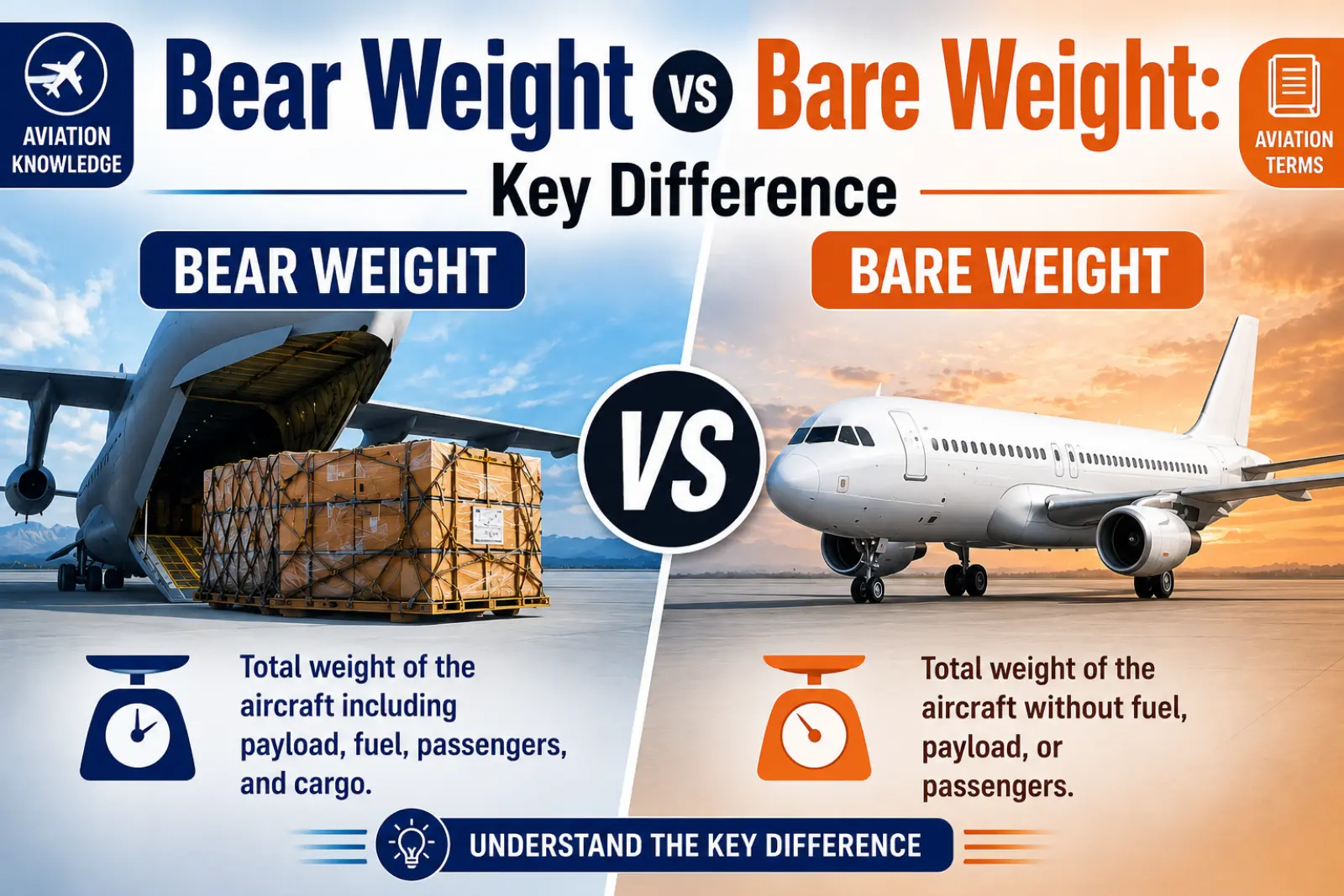
Bear Weight vs Bare Weight: Key Difference
The confusion happens because both words sound exactly alike.
Comparison Table
| Feature | Bear Weight | Bare Weight |
| Correct phrase? | Yes | Usually No |
| Meaning | Support or carry weight | Not a standard expression |
| Word type | Verb | Adjective |
| Common usage | Engineering, fitness, daily speech | Rarely used |
| Example | The beam bears weight. | Generally incorrect |
Quick Rule
If something supports a load, use bear weight.
Why People Confuse Bear and Bare
English contains many homophones. These are words that sound alike but have different meanings.
Examples of Homophones
| Word 1 | Word 2 |
| Bear | Bare |
| Right | Write |
| Their | There |
| Sea | See |
| Pair | Pear |
Because bear and bare sound identical, many writers choose the wrong spelling.
How to Use Bear Weight Correctly
Use bear weight whenever something carries or supports pressure.
Physical Objects
- The floor can bear significant weight.
- Steel beams bear the building’s weight.
- This shelf cannot bear so many books.
Human Support
- His legs could barely bear his weight.
- The athlete learned to bear more weight during training.
Emotional Responsibilities
- She bears the weight of leadership.
- They bear the weight of difficult decisions.
Real-Life Examples of Bear Weight
Understanding real situations helps you remember the phrase.
Construction
Engineers calculate how much weight a bridge can bear before approving it.
Fitness
Trainers often discuss how much weight a person can safely bear during exercise.
Furniture
Manufacturers test chairs to determine how much weight they can bear.
Everyday Life
Backpacks bear the weight of books and supplies.
Common Mistakes People Make
Many writers accidentally replace bear with bare.
Incorrect Examples
This ladder can bare weight.
The beam was designed to bare heavy loads.
My knees cannot bare my weight.
Correct Examples
This ladder can bear weight.
The beam was designed to bear heavy loads.
My knees cannot bear my weight.
Easy Trick to Remember the Difference
A simple memory trick can help.
Think About a Bear
A bear is strong.
Strong things can bear weight.
Think About Bare
Bare means uncovered.
Examples include:
- Bare feet
- Bare skin
- Bare walls
These meanings have nothing to do with carrying loads.
Memory Formula
Bear = Carry
Bare = Exposed
This rule works almost every time.
Bear Weight in Daily Life
You probably hear this phrase more often than you realize.
At Home
- Can this shelf bear the weight of the television?
- Can this table bear all these boxes?
At Work
- The platform must bear heavy equipment.
- The support beams bear the roof load.
During Exercise
- Your knees bear weight while running.
- Proper form helps your body bear weight safely.
Synonyms for Bear Weight
- Support weight
- Carry weight
- Hold weight
- Sustain weight
- Withstand pressure
- Carry a load
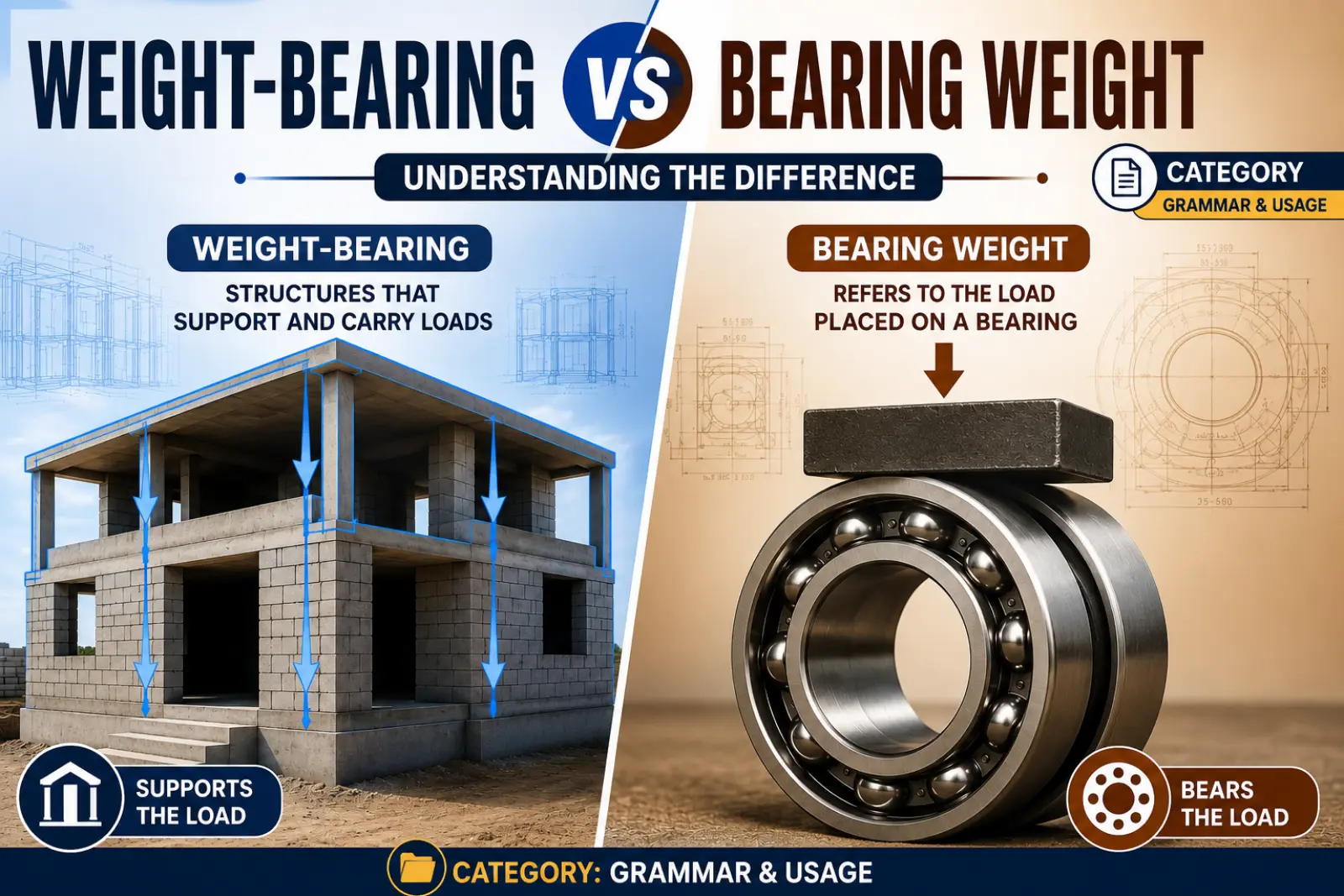
Weight-Bearing vs Bearing Weight
These terms are closely related.
| Term | Meaning |
| Bear weight | To support a load |
| Weight-bearing | Designed to support weight |
| Load-bearing | Built to carry structural loads |
Example
- This wall is load-bearing.
- This wall bears the weight of the upper floor.
Both sentences communicate a similar idea.
Expert Insights: Why This Difference Matters
Small grammar mistakes can affect credibility.
Writers, students, and professionals benefit from using the correct phrase.
Why Accuracy Matters
- Improves writing quality
- Builds reader trust
- Prevents misunderstandings
- Enhances professional communication
- Helps content rank better in search engines
Grammar errors can reduce authority. Using bear weight correctly strengthens your writing.
EEAT Perspective
Accurate language demonstrates expertise and attention to detail. Search engines reward content that provides clear and trustworthy information.
Common Situations Where Bear Weight Appears
Engineering
Engineers calculate weight-bearing limits before construction begins.
Medical Discussions
Doctors may discuss whether a patient can bear weight on an injured leg.
Sports
Athletes train muscles to bear greater loads safely.
Transportation
Vehicles have limits on how much weight they can bear.
Frequently Asked Questions (FAQs)
Is bear weight or bare weight correct?
Bear weight is correct in almost all situations involving support or carrying a load.
What does bear weight mean?
It means to support, carry, or hold weight.
Why is bare weight usually wrong?
Because bare means uncovered or exposed, not support or carry.
Can a person bear weight?
Yes. A person can bear physical weight or emotional responsibilities.
What is a weight-bearing structure?
A structure designed to support loads, such as walls, beams, or bridges.
Is bear weight used in medical terms?
Yes. Doctors often discuss whether a patient can bear weight after an injury.
How do I remember the correct spelling?
Remember that a strong bear can carry weight. Therefore, use bear weight.
Is bare weight ever correct?
In rare, specialized contexts, it may appear with a unique intended meaning. However, it is usually a mistake for bear weight.
Which is correct: bear weight or bare weight?
Bear weight is the correct phrase. It means to support, carry, or hold a load. The word bear means to carry or sustain something. Bare weight is usually incorrect because bare means uncovered or exposed.
Conclusion
The answer to bear weight or bare weight is simple once you understand the meanings of the two words. Bear weight is the correct phrase because bear means to carry, support, or sustain a load. In contrast, bare means uncovered or exposed and usually does not fit the context of supporting weight.
Whether you are discussing construction, fitness, medicine, or everyday situations, bear weight is almost always the phrase you need. Remember the easy rule: bear carries, bare exposes. This small distinction can improve your grammar, strengthen your writing, and help you communicate more clearly. The next time you encounter this phrase, you can confidently choose bear weight and avoid a common spelling mistake.