Meantime or Mean Time: Difference, Examples, and Usage Guide
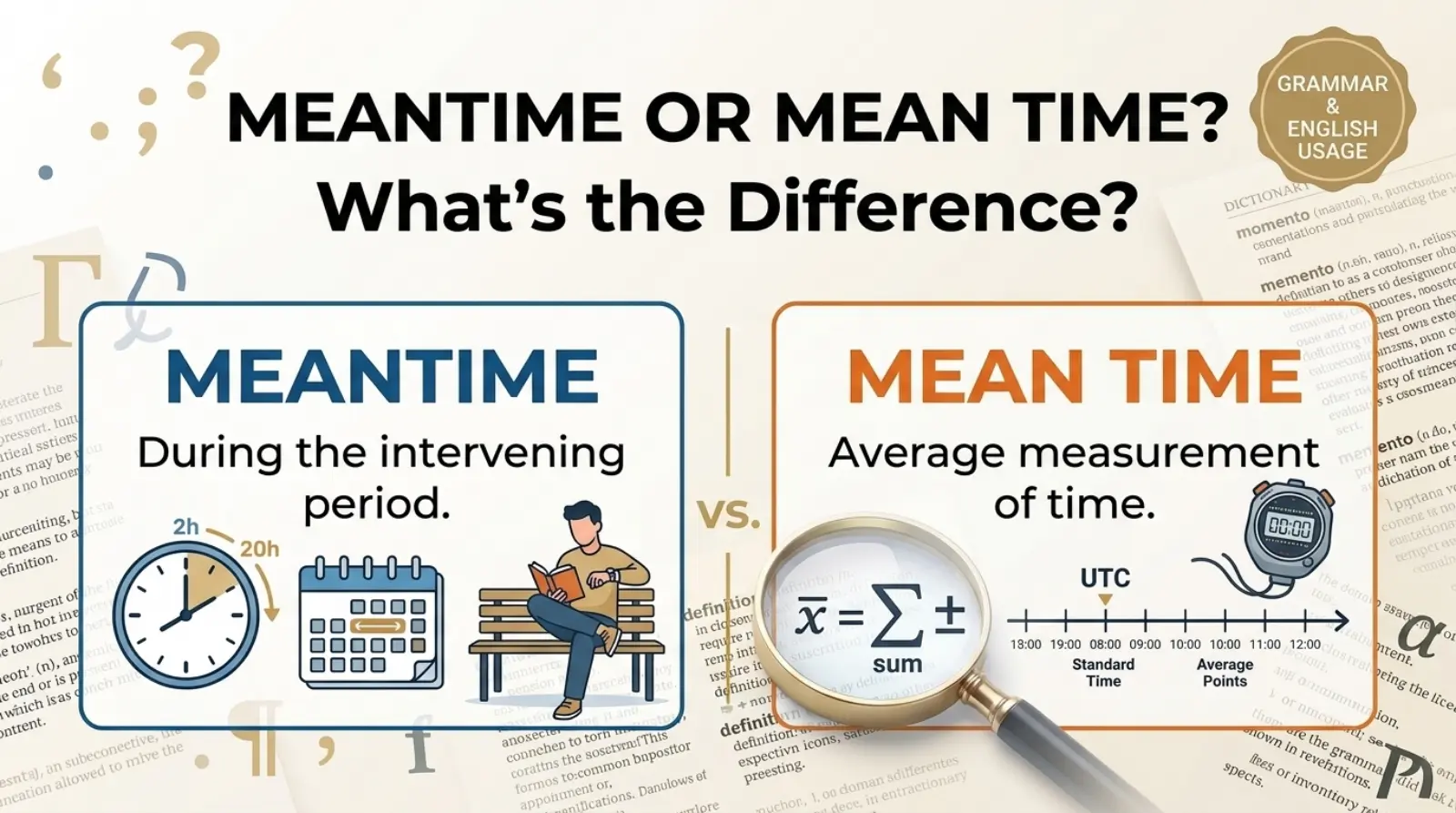
Meantime or mean time is a common grammar question that confuses many English learners and writers. These two terms look ...
Read more
Chris’s or Chris’? Which Possessive Form Is Correct?
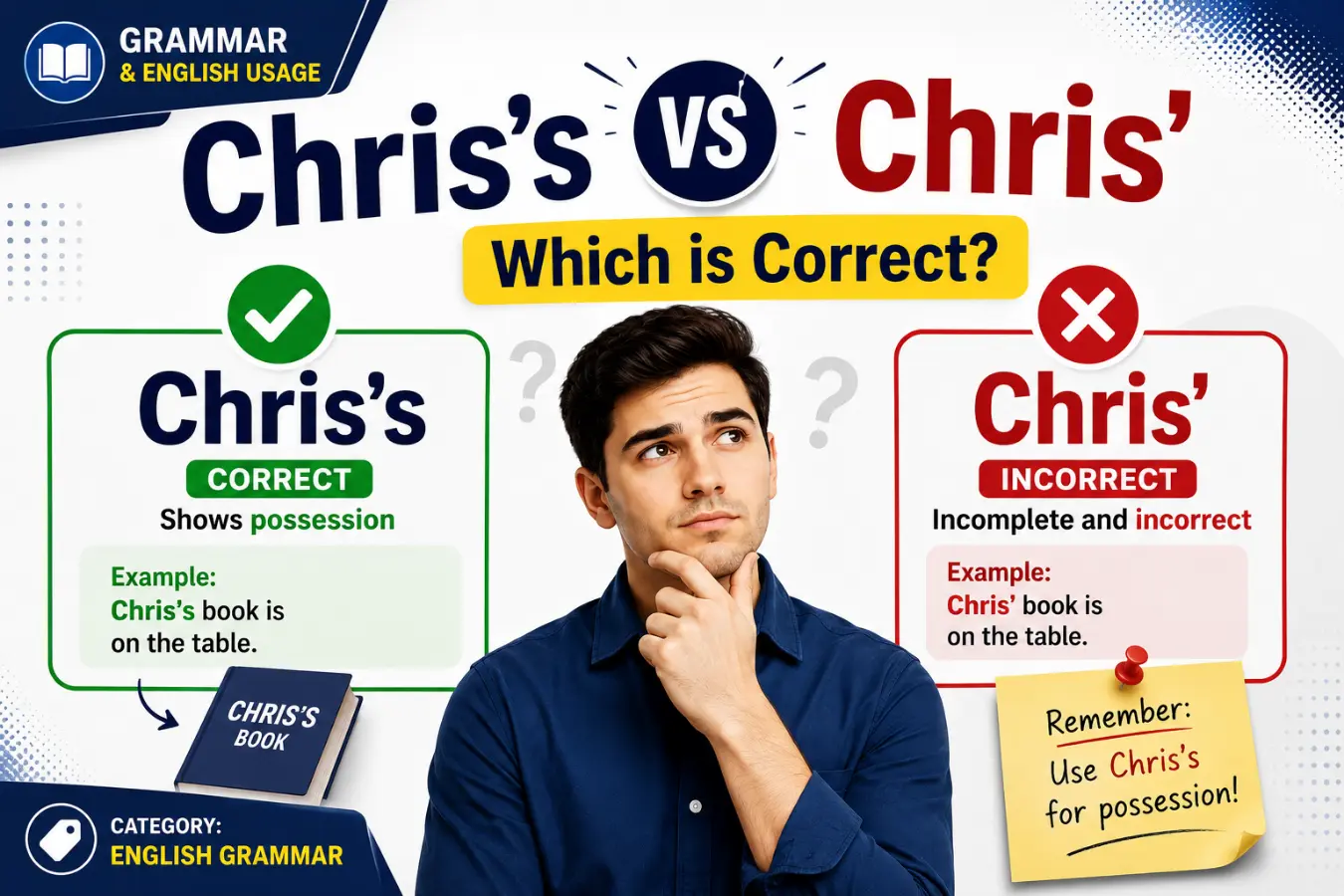
Chris’s or Chris’? This question confuses many writers. You may see both forms in books, articles, and online content. That ...
Read more
Neither Nor or Neither Or? The Correct Grammar Rule Explained
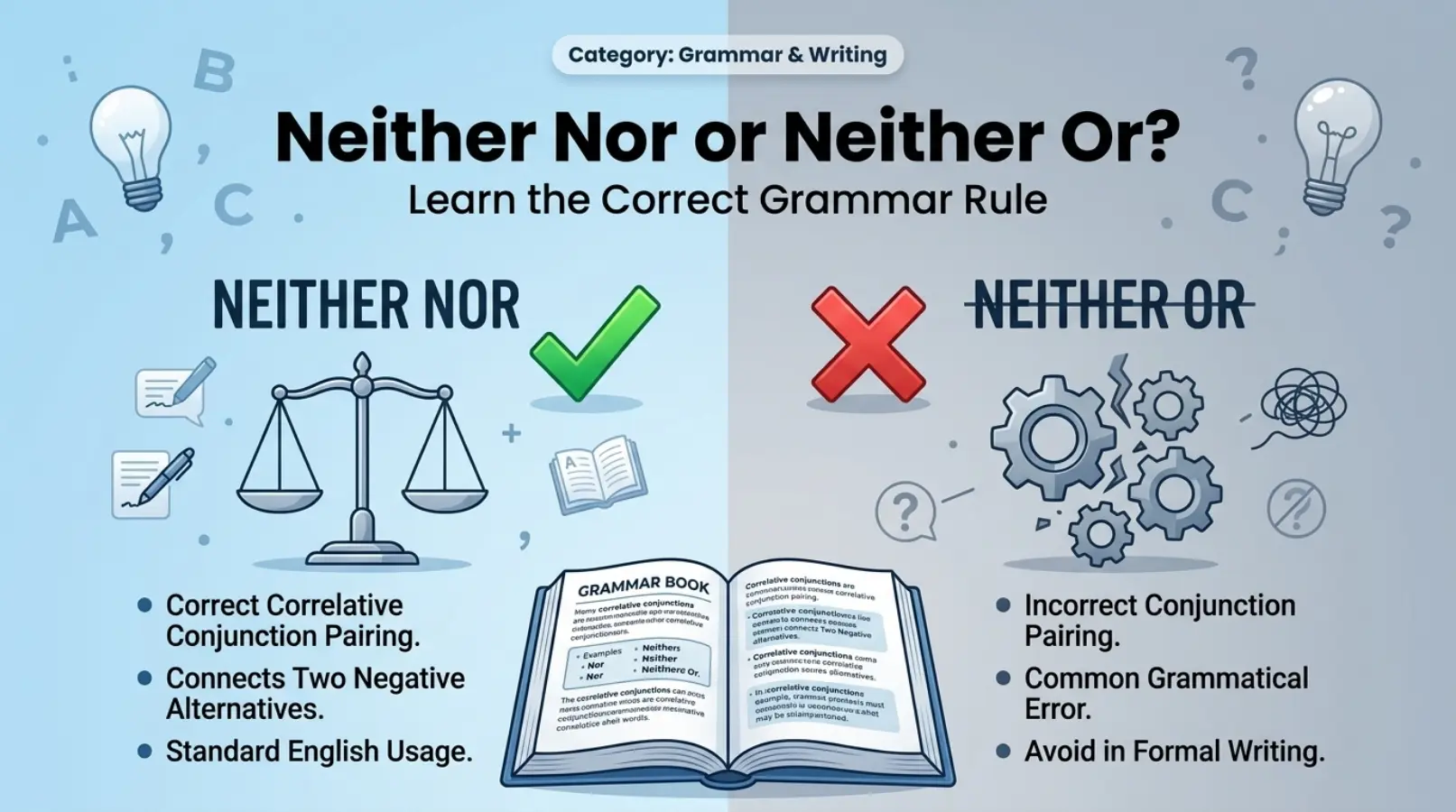
Neither nor or neither or is a common grammar question that confuses many English learners and writers. Both phrases may ...
Read more
Catalog or Catalogue: What’s the Difference, Meaning, and Use
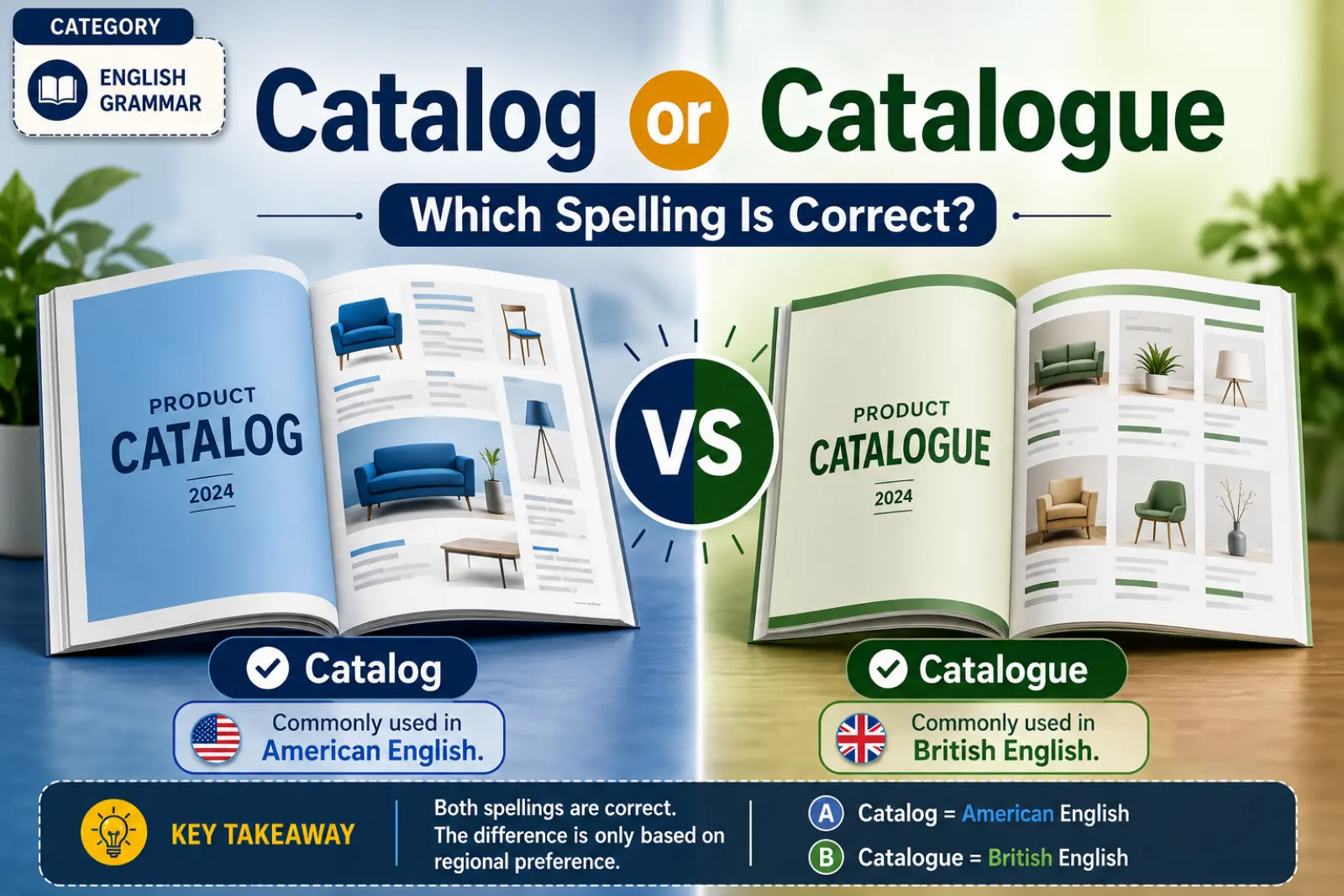
Catalog or catalogue is a common spelling question that confuses many writers. Both words have the same meaning, but their ...
Read more
Was or Were: Grammar Rules, Examples, and Common Mistakes
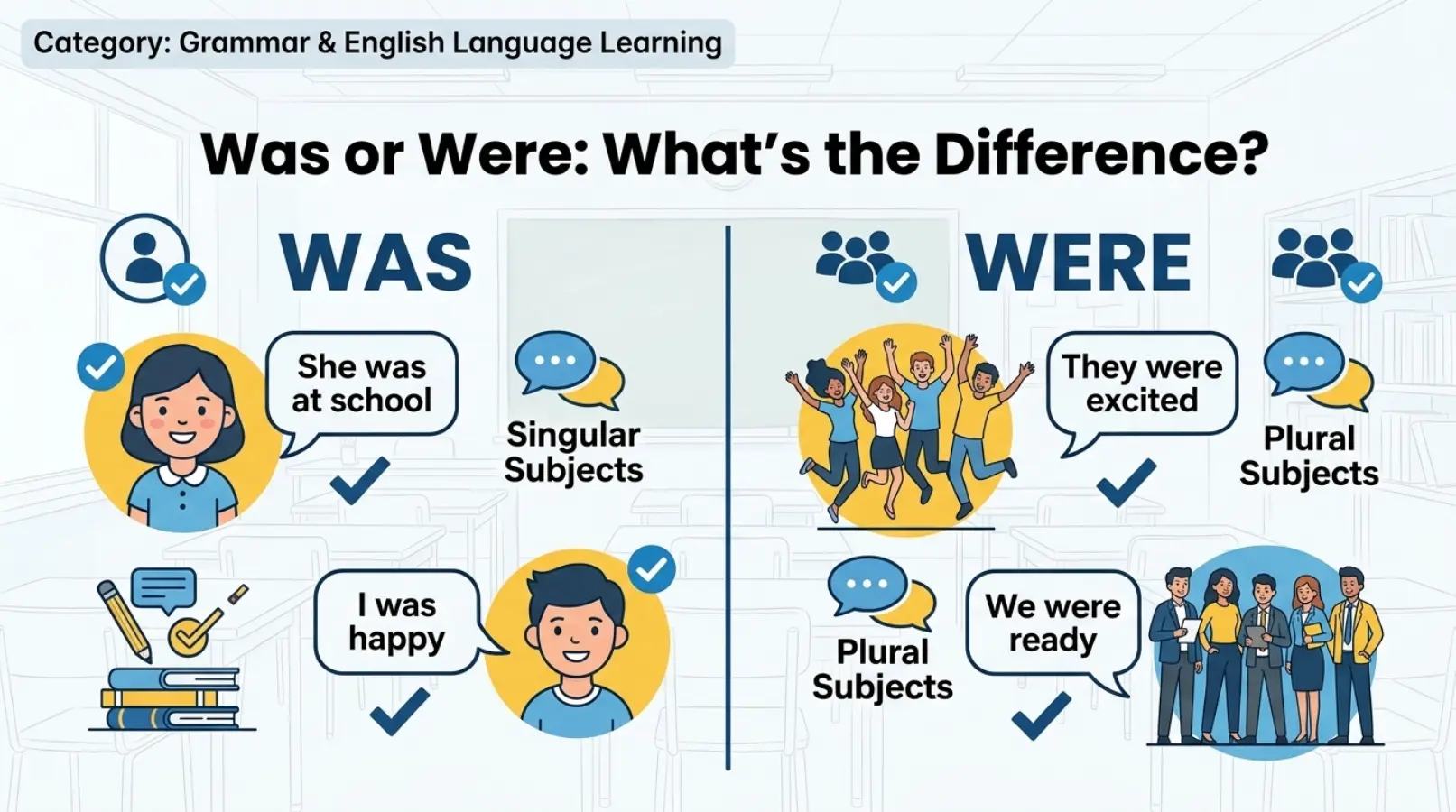
Was or were is one of the most common grammar topics in English. Many learners use these words every day. ...
Read more
Comma Before Or: Rules, Examples, and Easy Grammar Guide
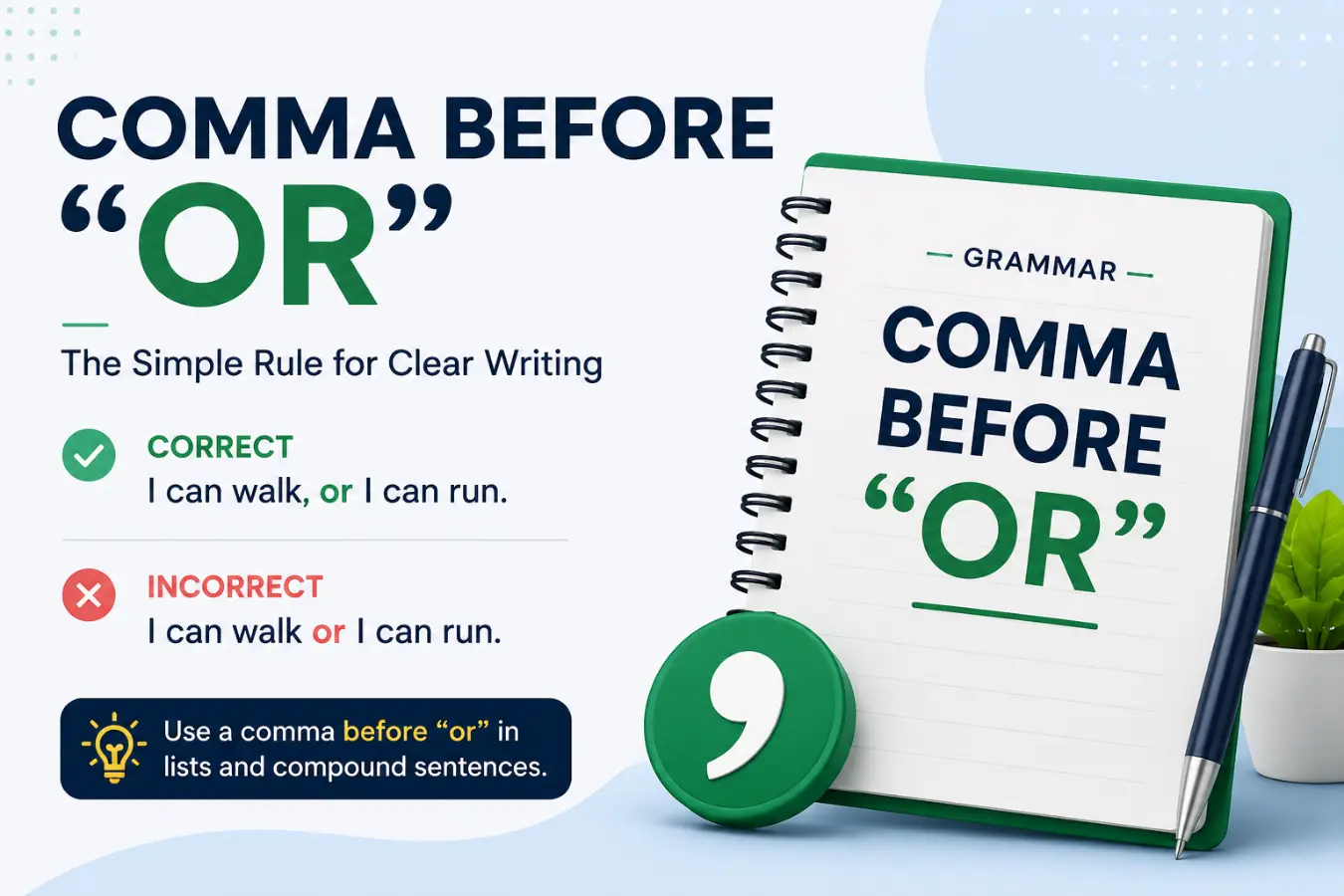
Comma before or is a common grammar question that confuses many writers. Some people add a comma before or every ...
Read more
Duck Tape or Duct Tape: Which Is Correct and Difference?
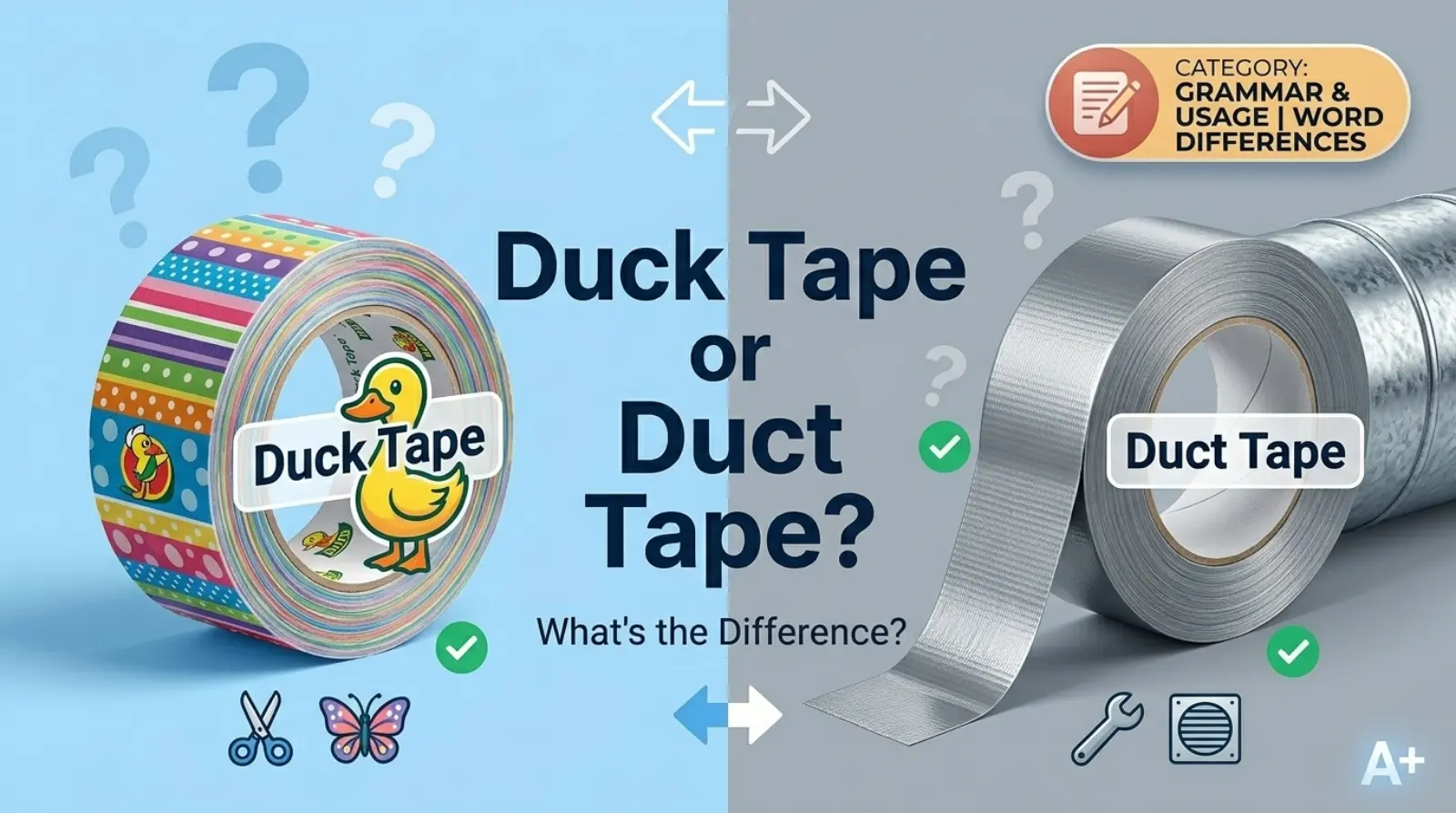
Duck tape or duct tape is a question many people ask when they see the famous gray adhesive tape. Both ...
Read more
Combatting or Combating: Which Is Correct? Grammar Guide
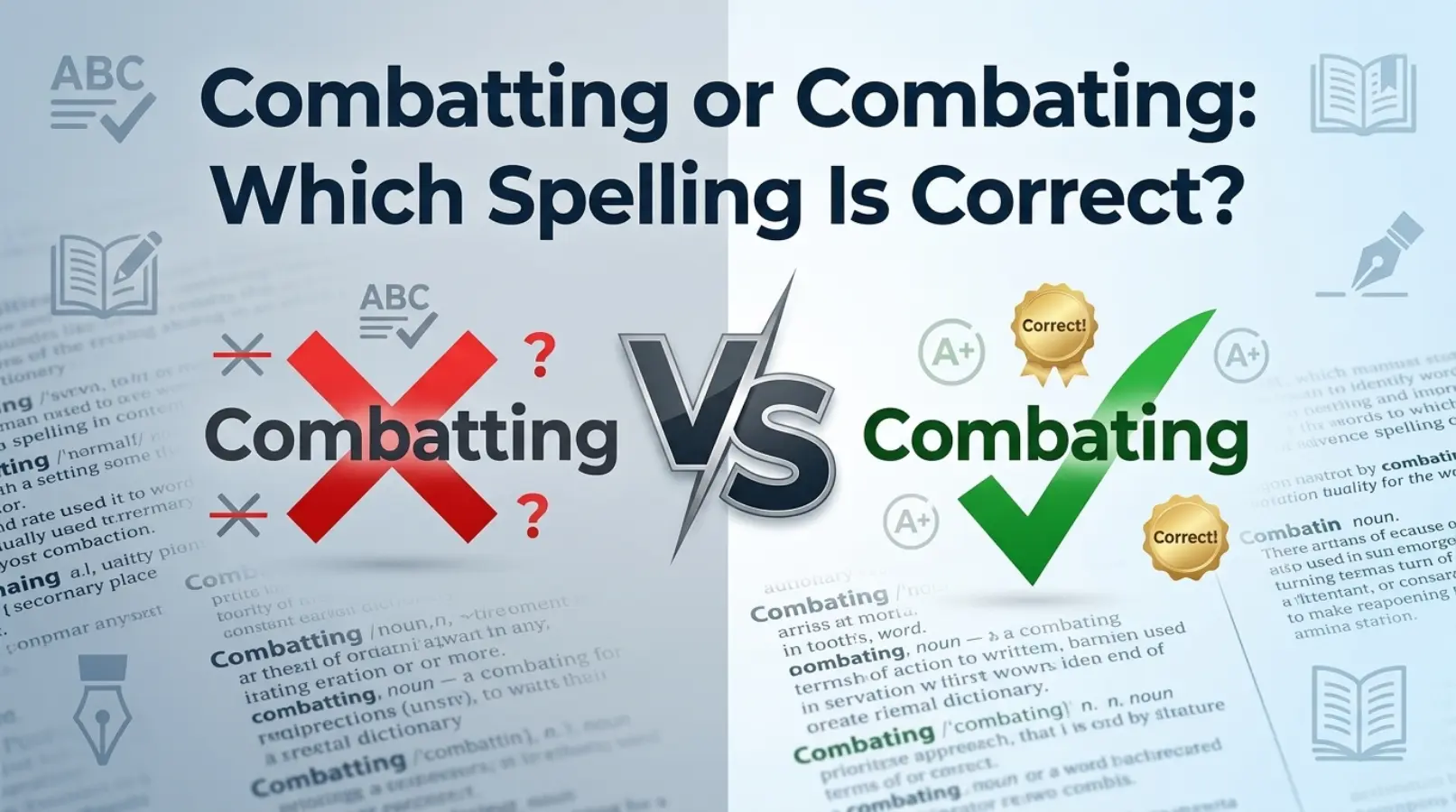
Combatting or combating is a common spelling question that confuses many English writers. Both words come from the verb “combat,” ...
Read more
Especially or Specially: What’s the Difference and When to Use ?
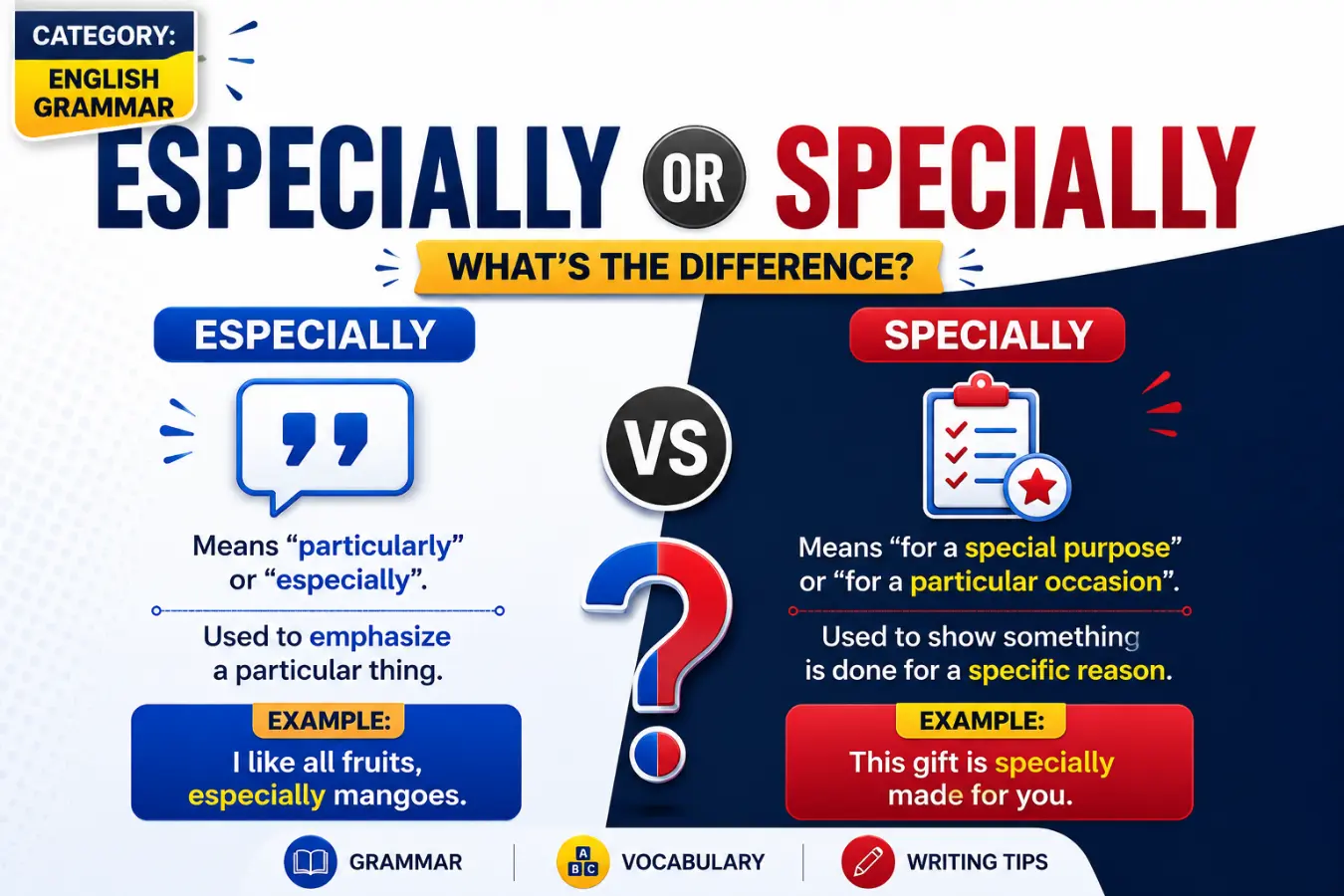
Especially or specially is a common grammar topic that confuses many English learners and writers. These two words look similar, ...
Read more
Learnt or Learned: Which Is Correct? Guide for Everyday English

Learnt or learned is a common question among English learners and native speakers alike. Both words are correct, but they ...
Read more